
 Energy
The GHG Protocol's plan to require hourly matching of clean power ran into heavy resistance in consultation. A new update now considers two market-based methods, one strict and one close to today's practice. Nothing changes until a revised standard is adopted, but factories buying or generating clean power should be watching.
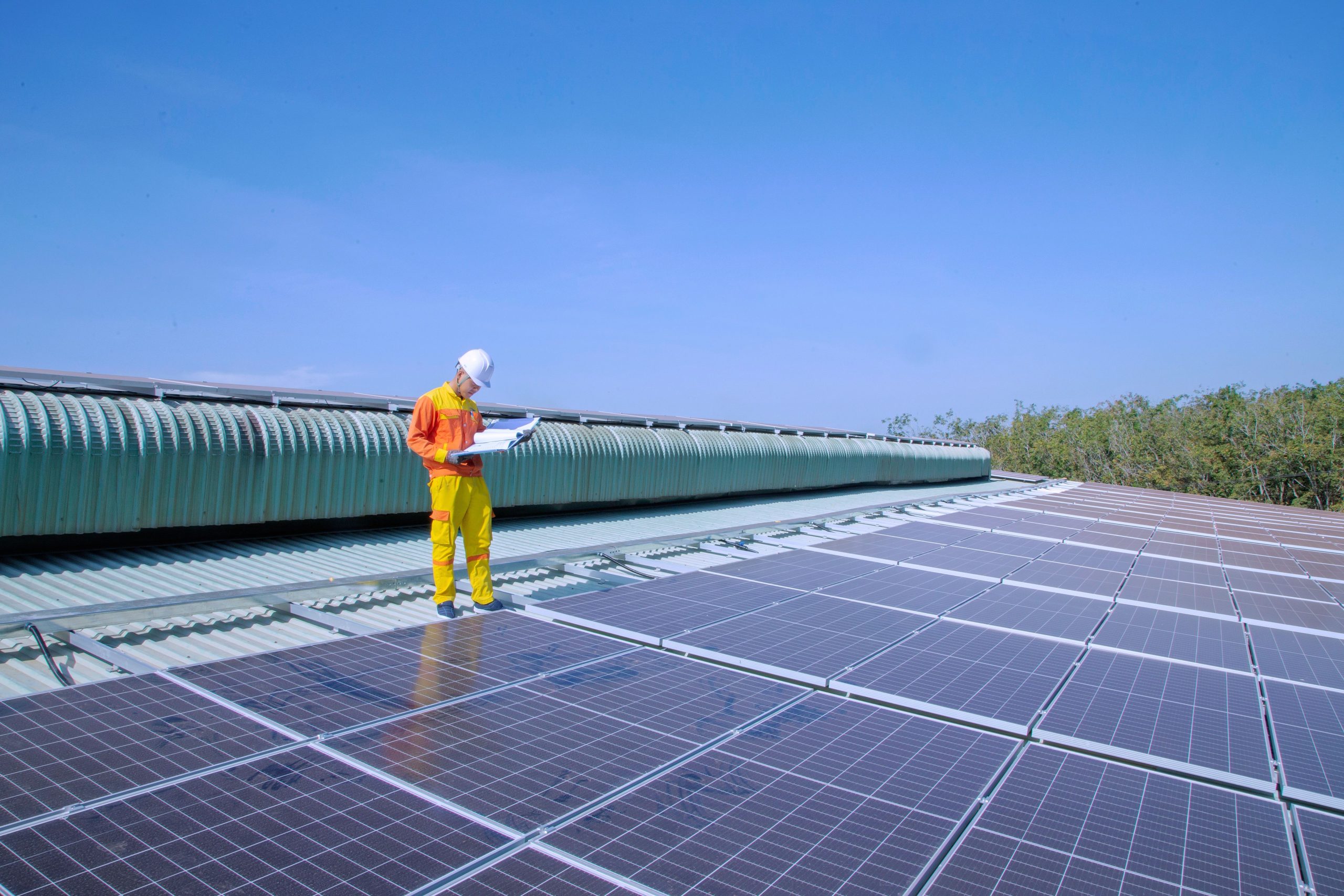
How a company counts the electricity it uses decides what its Scope 2 emissions look like. Now the global rulebook for that counting is being rethought.
Under today’s guidance from 2015, companies report Scope 2 emissions two ways: a location-based figure that reflects the average emissions of the grid, and a market-based figure that reflects the electricity they chose to buy, including clean power contracts. The GHG Protocol proposed tightening the market-based method, requiring clean electricity to match consumption by the hour and to be deliverable to the same grid region. A public consultation ran from 20 October 2025 to 31 January 2026.
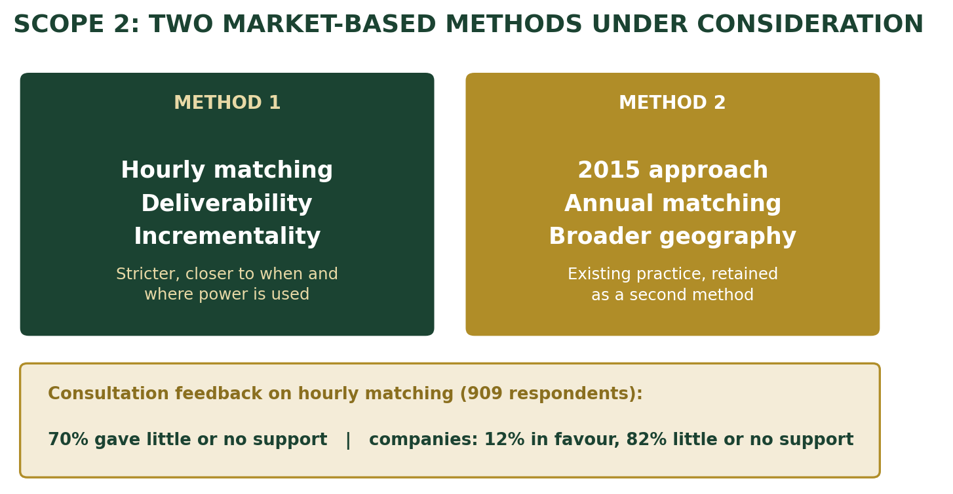
Two market-based methods under consideration, and the consultation feedback on hourly matching. The framework is not final.
The market was not convinced. Of 909 respondents on hourly matching, 70 percent gave little or no support. Among companies, only 12 percent were in favour and 82 percent offered low or no support. Critics argued that the requirements would make clean power contracts less valuable, costlier and riskier.
The GHG Protocol’s 16 October update shows how it is responding. A framework under consideration would offer two market-based methods. Method 1 would require hourly matching, deliverability and incrementality. Method 2 would retain the 2015 approach, with annual matching and broader geographic boundaries. After a transition date still to be set, companies reporting market-based emissions would be expected to use Method 1 wherever data of sufficient quality exists. Technical working group members were due to meet in person on 20 to 22 October to work through deliverability, incrementality, feasibility and timing.
Dual reporting stays. Until a revised standard is adopted, the 2015 guidance remains the framework, and nothing in the revision itself sets a company’s renewable energy target. Those targets come from separate bodies.
For a Bangladeshi factory, the relevance is direct. Electricity is a growing share of what buyers ask about, and a supplier’s energy data feeds into the supply-chain figures its customers report. A factory with rooftop solar, a power purchase agreement or purchased certificates will want to know how each will count, and what evidence will be needed to show it.
That evidence is hourly meter data, contracts and grid information, and few suppliers hold all of it today.
Hour-by-hour electricity data is becoming the evidence of record. Factories that start collecting it now will have an answer ready when buyers ask.
Energy Energy
 Energy
Hivedemy turns ESG into short, hands-on lessons built and checked by professionals worldwide. Every lesson teaches first, then asks you to do the work, and every attempt gets a reason.