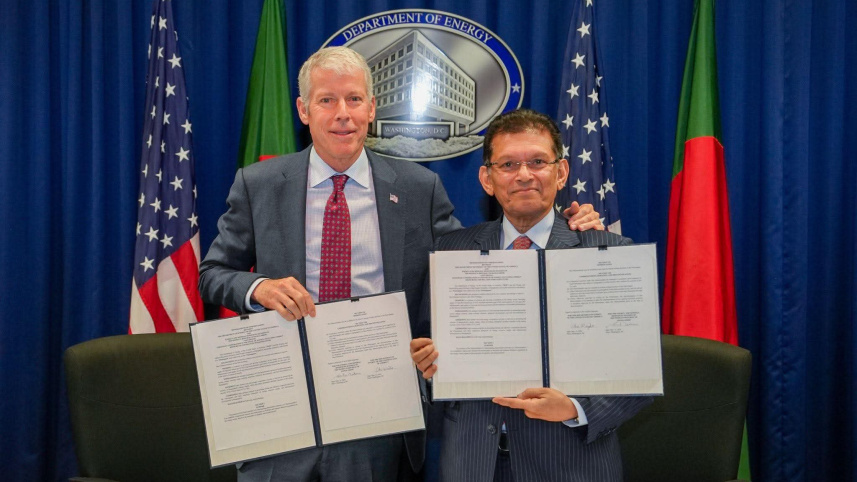
On May 14, 2026, US Secretary of Energy Chris Wright signed a Memorandum of Understanding with Bangladesh’s Foreign Minister Khalilur Rahman, formalising strategic cooperation on energy infrastructure. The deal covers liquefied natural gas (LNG), liquefied petroleum gas (LPG), geothermal energy, and bioenergy — and is expected to unlock millions in energy-related investment across the value chain.
On its face, the MoU aligns with the Trump administration’s ‘energy dominance’ agenda. Washington framed it as expanding American energy exports and strengthening global energy security. Dhaka, meanwhile, needs reliable energy badly: rolling power cuts still hamper industrial productivity, and Bangladesh has set an ambitious goal to grow its renewable energy share significantly by 2041.
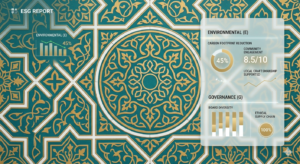
The tension is real. LNG is a fossil fuel — lower-emission than coal, but a fossil fuel nonetheless. For a country that is among the world’s most climate-vulnerable, anchoring the next decade of energy supply in gas infrastructure raises long-term questions about transition risk, stranded assets, and the credibility of any net-zero commitment. Global investors and development finance institutions increasingly price these risks into decisions. Companies that cannot demonstrate a credible energy transition pathway — including their supply chain partners — face growing difficulty accessing green finance and ESG-aligned capital. Bangladesh’s energy trajectory will matter as much as its tariff landscape.
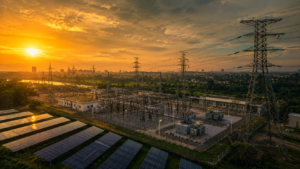
The MoU is an opportunity. The country needs a parallel roadmap that uses this partnership to accelerate renewable deployment, not defer it. Solar, wind, and energy efficiency investments in export industries are increasingly the price of admission to EU and US markets. The energy deal only becomes a win if it funds the transition rather than financing the past.
ENERGY SNAPSHOT — BANGLADESH
| Current renewable share ~5% of national energy mix | Renewable target by 2041 40% national goal | Operational renewable capacity ~1,700 MW vs. 30,000+ MW total installed | MoU energy types LNG + LPG + Geo bioenergy also included |