
Europe Just Quietly Exempted Leather From Its Deforestation Law — Here’s What Bangladesh’s Tanneries Need to Know
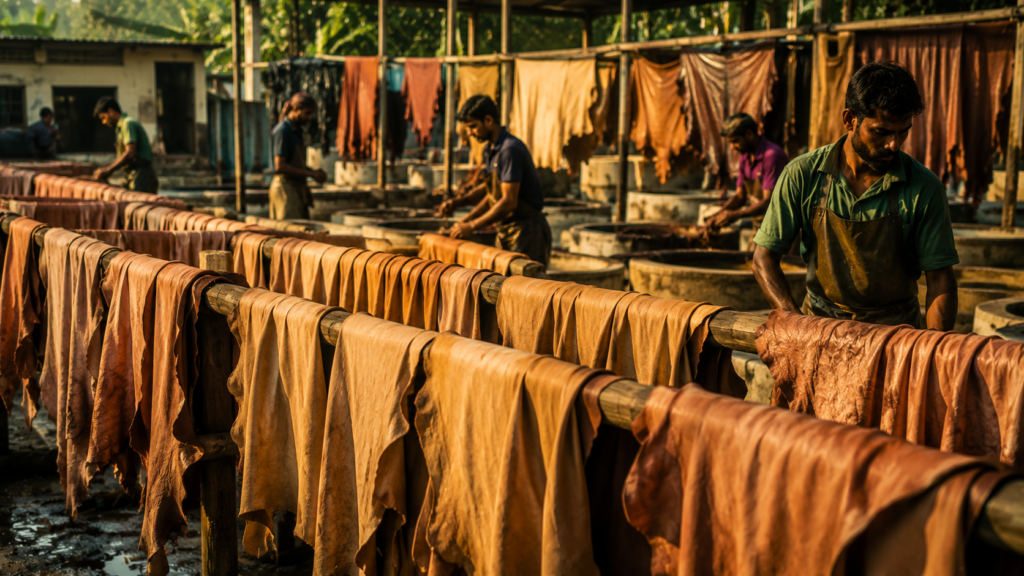
After sustained industry lobbying, the EU has dropped cattle leather from the scope of its flagship anti-deforestation regulation. For Bangladesh’s leather and footwear exporters, that’s one compliance headache removed — but the underlying law, delayed twice, is still coming for everything else.
28 Countries and Counting: The Global Disclosure Standard Bangladesh Just Started Adopting

Quietly, without much local fanfare, Bangladesh opened a formal consultation on adopting the world’s fastest-spreading sustainability reporting standard. Twenty-eight jurisdictions have already gone ahead. The question now is how fast Bangladesh follows and who’s ready when it does.
The Hidden Tax Nobody’s Budgeted For: What Europe’s Carbon Border Rule Could Cost Bangladesh’s Garment Industry
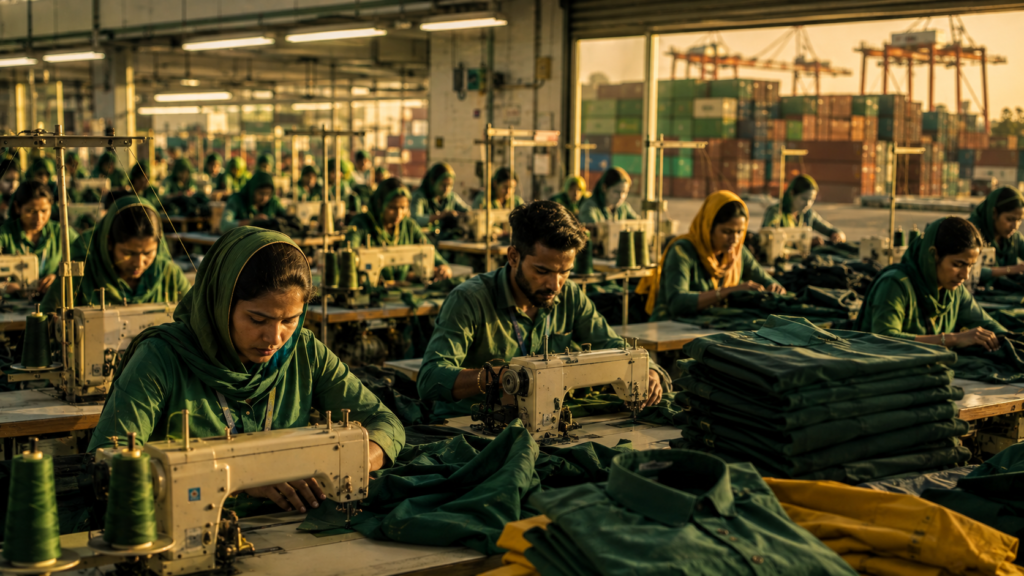
Bangladesh’s apparel exporters are already staring down the loss of duty-free EU access after LDC graduation. Layer the EU’s carbon border tax on top, and the math gets brutal — a potential near-17% total tariff hit on the industry that carries the entire economy.
Bangladesh Bets $10.8 Billion on Its Power Grid But Coal and Nuclear Are Still in the Mix
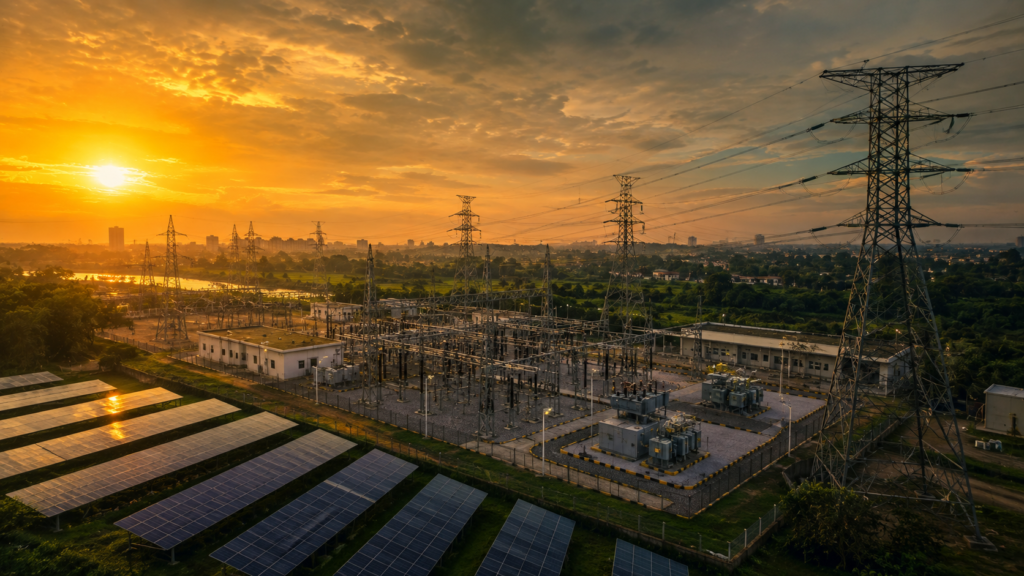
A three-year, Tk128,013 crore energy overhaul promises a smarter grid, more renewables, and less blackout anxiety. But the plan also leans on a coal plant, a nuclear reactor and gas, a reminder that Bangladesh’s transition is less a straight line than a balancing act.
Bangladesh’s Green Money Problem: Everyone Wants It, Almost No One Knows How to Get It
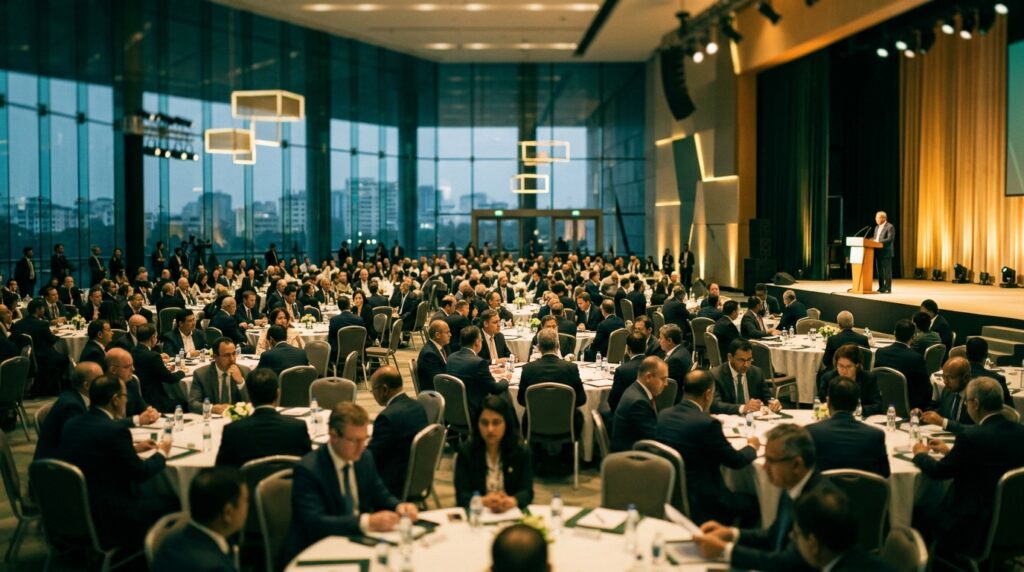
At Dhaka’s biggest sustainability gathering of the year, the country’s top securities regulator delivered a blunt verdict: Bangladesh has climate ambitions but not yet the financial plumbing to fund them. Green bonds, blue bonds and ESG-linked capital are flowing worldwide — Bangladesh is still figuring out how to plug in.
Bangladesh’s Top Regulators Just Said the Quiet Part Out Loud: Learn ESG Reporting Now
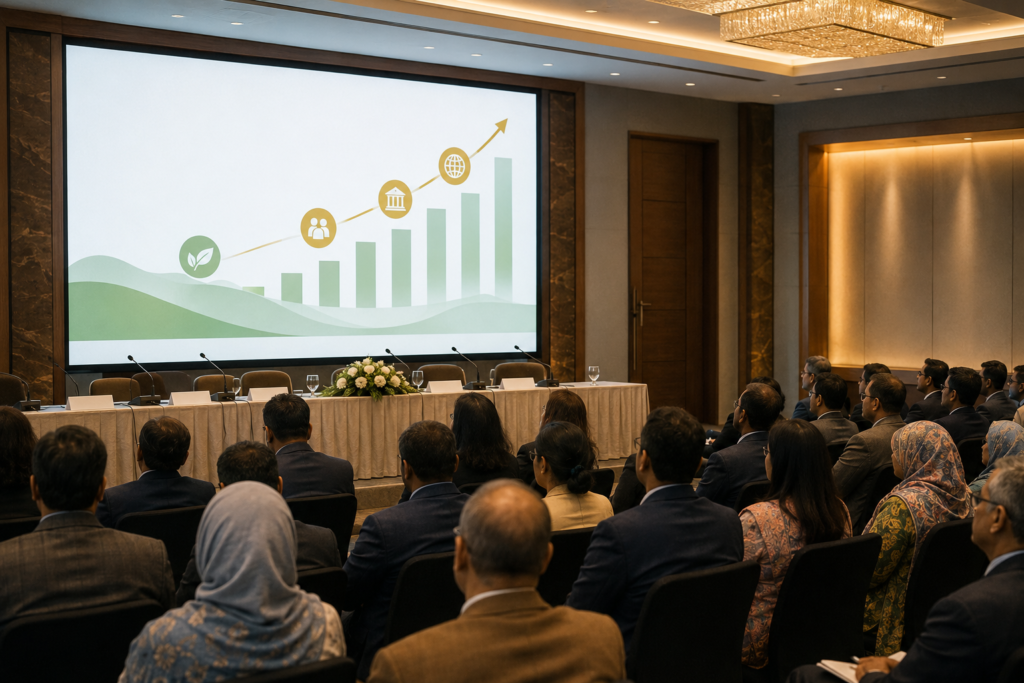
At a recent seminar in Dhaka, leaders from the stock exchange, the central bank, and the accounting profession delivered the same blunt message from four different podiums: sustainability reporting is no longer optional, and most companies aren’t ready for it. When regulators start speaking with one voice, it usually means the deadline is closer than it looks.
Shipbreaking Deaths Nearly Tripled This Year. But Some Yards Just Proved There’s a Better Way

A new half-yearly report shows workplace deaths in Bangladesh’s shipbreaking industry rose sharply in the first six months of 2026, nearly triple the fatalities recorded in the same period last year. The causes are almost entirely preventable, and a growing number of certified yards are already proving the fix is possible.
Bangladesh’s Garment Industry Needs $6.6 Billion by 2030, Nobody’s Written the Check Yet

A new industry analysis puts a hard number on Bangladesh’s green transition: $6.6 billion needed to cut RMG sector emissions in half by 2030. Rising energy costs, tightening buyer standards, and a widening compliance gap are turning sustainability from a nice-to-have into a survival requirement but the financing to get there still isn’t flowing at scale.
Bangladesh Could Qualify for GSP+ and Still Lose Duty-Free Access to Europe

Brussels has just rewritten the rulebook that will decide whether Bangladesh’s garment industry keeps tariff-free access to its biggest market after LDC graduation. The twist: even meeting every requirement for the EU’s preferential GSP+ scheme may not be enough — a single statistical threshold could push apparel exports back to full tariffs anyway. For an industry that sends more than half its exports to Europe, understanding the fine print has never mattered more.
The Trees That Used to Stop the Flood Are Gone – And So Are the Safe Places to Live

In Bangladesh’s haor wetlands, migration and deforestation are colliding with a changing climate to devastating effect. Villages built on cleared land, stripped of the natural vegetation that once absorbed flash floods, are being washed away entirely – not just flooded.