
World’s Most Certified Garment Sector. Zero Global Visibility. Bangladesh Is Losing Billions in Silence.
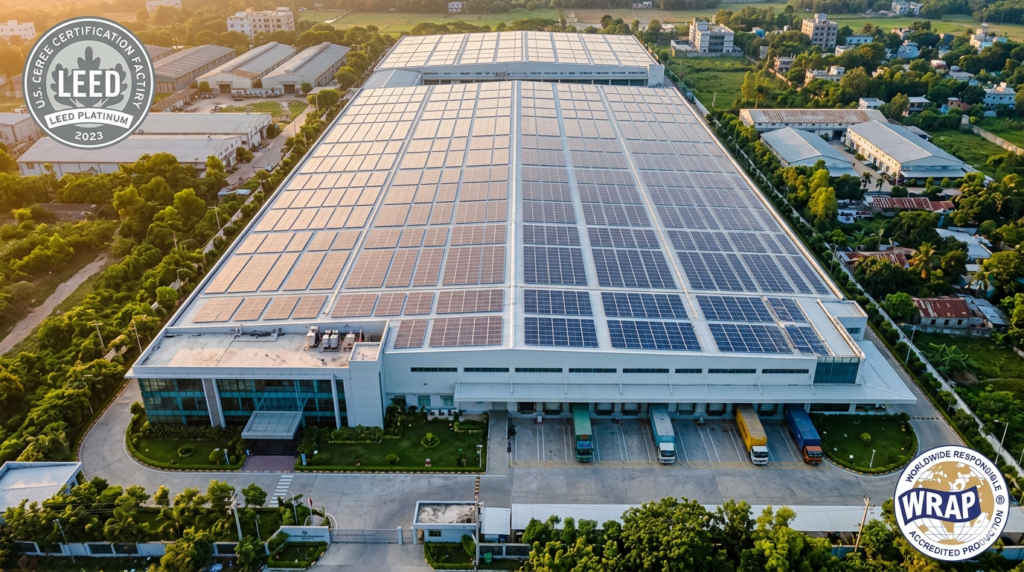
$39.35 billion in exports. 200+ LEED-certified factories — more than any other garment-producing country. 800 WRAP-certified. 350 on Higg Index. 120 ZDHC signatories. 280 Amfori BSCI. Bangladesh’s RMG sector has more verified ESG proof than it is given credit for — by buyers, investors, or its own government. The credentials exist. A national platform to aggregate and communicate them does not. That gap is costing Bangladesh billions.
Bangladesh Exported $3.14 Billion in Garments Last Month. Now Read What That Number Is Hiding.
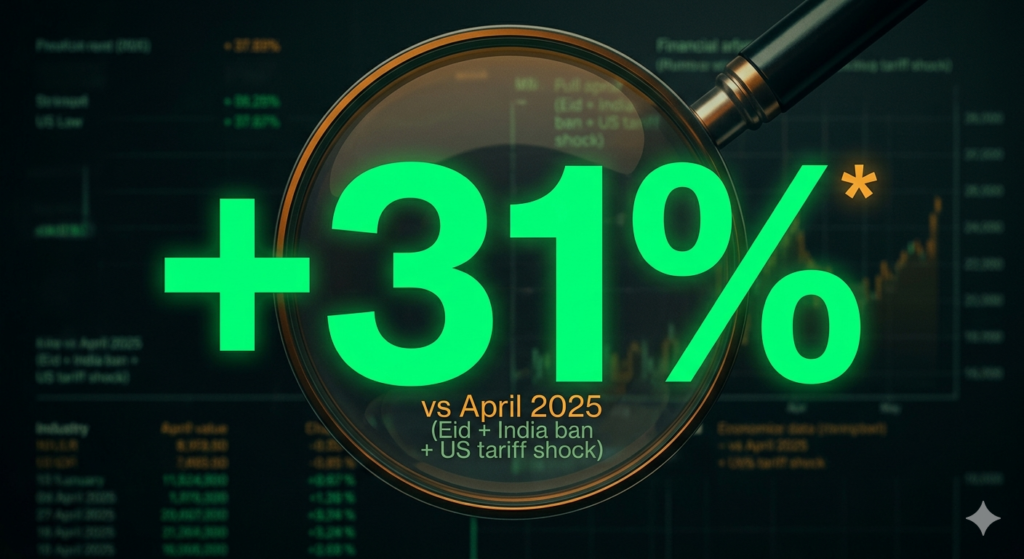
Bangladesh RMG exports: $3.14 billion in April 2026 — up 31.21% year-on-year. Knitwear: +30.02%. Woven: +32.65%. Technically accurate. Also deeply misleading. April 2025 was one of the worst export months in recent history: Eid shutdown, India’s transshipment ban, and US tariff shock all hit simultaneously. The 31% is measured against a collapsed floor. This is a live example of exactly what ISSB disclosure standards exist to prevent: data without context.
Bangladesh’s Finance Minister Just Built the Legal Architecture for an Entire Sustainable Bond Market
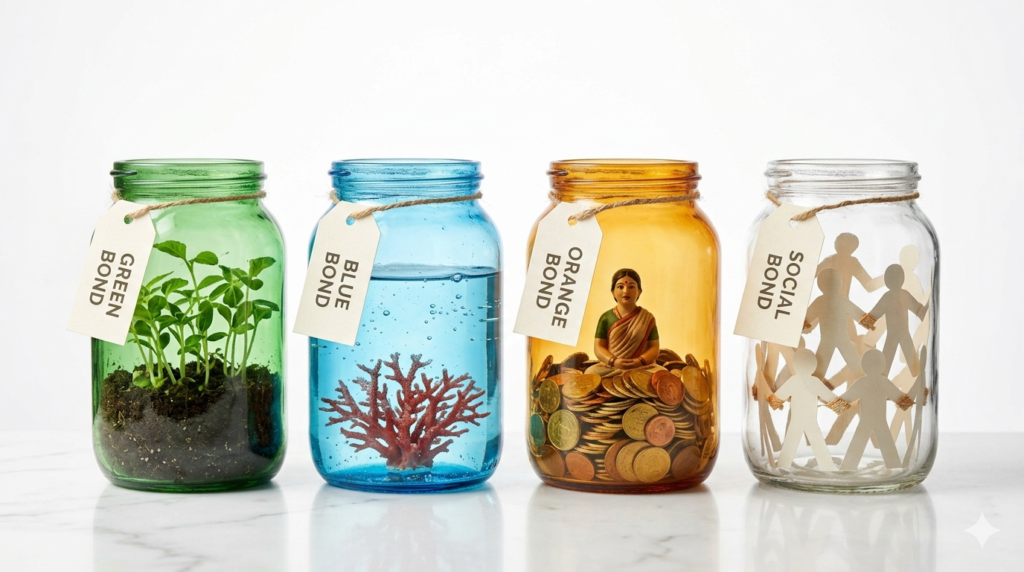
Bangladesh’s Finance Minister confirmed that amendments to debt securities rules will legally recognise green, blue, orange, and social bonds. A whistleblower protection act, a Capital Market Stabilisation Fund, and a new corporate governance code are in the same package. This is not one bond, it is the entire legal ecosystem for a sustainable capital market. It is years overdue and it is finally being built.
BSEC Is Rewriting the Rules. ESG Is No Longer Optional for Bangladesh’s Capital Market
Bangladesh’s Securities and Exchange Commission is revising its Corporate Governance Code to make ESG reporting a legal requirement for all listed companies. The Financial Reporting Council is adopting ISSB climate and general disclosure standards. The PM’s special assistant visited BSEC on April 16 specifically to review these reforms. When this law lands, 350 companies need trained ESG professionals. Today, 334 of them have never filed a standardised sustainability report.
Bangladesh’s Garment Sector Got Hit Three Ways in April. Solar Was the Only Shield
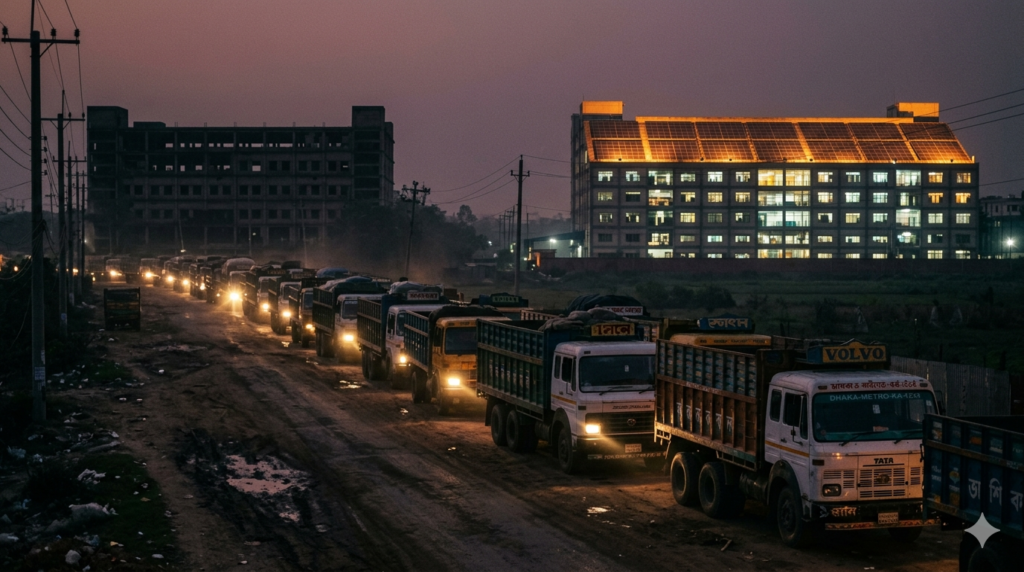
8–10% buyer order cuts. Diesel rationed through BGMEA cards since April 13. Dhaka–Chattagram freight up 32% — from Tk 38,000 to Tk 50,000 — since the Middle East war escalated. Three separate shocks, one sector, one month. The factories with rooftop solar kept producing. The ones on diesel generators did not. This is what the ESG business case looks like when it stops being theoretical.
Global Brands Want Zero Emissions. Bangladesh’s Factories Are Getting Zero Help Paying for It.
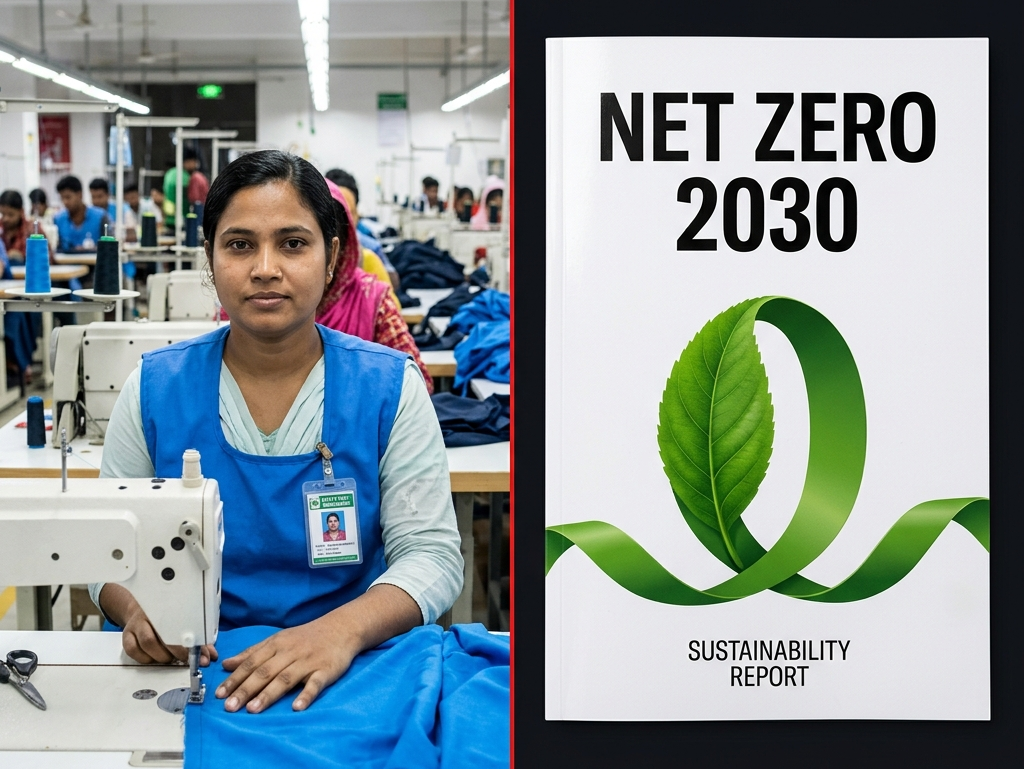
There is a sentence buried in most global fashion brand sustainability reports that Bangladesh’s garment factory owners should read very carefully: ‘We are committed to achieving net-zero emissions across our supply chain by 2030.’ Thousands of factory owners have been thinking that the green transition in global fashion is being financed on the backs of […]