
Bangladesh Wants to Sell Carbon Credits. It Must Prove They’re Real
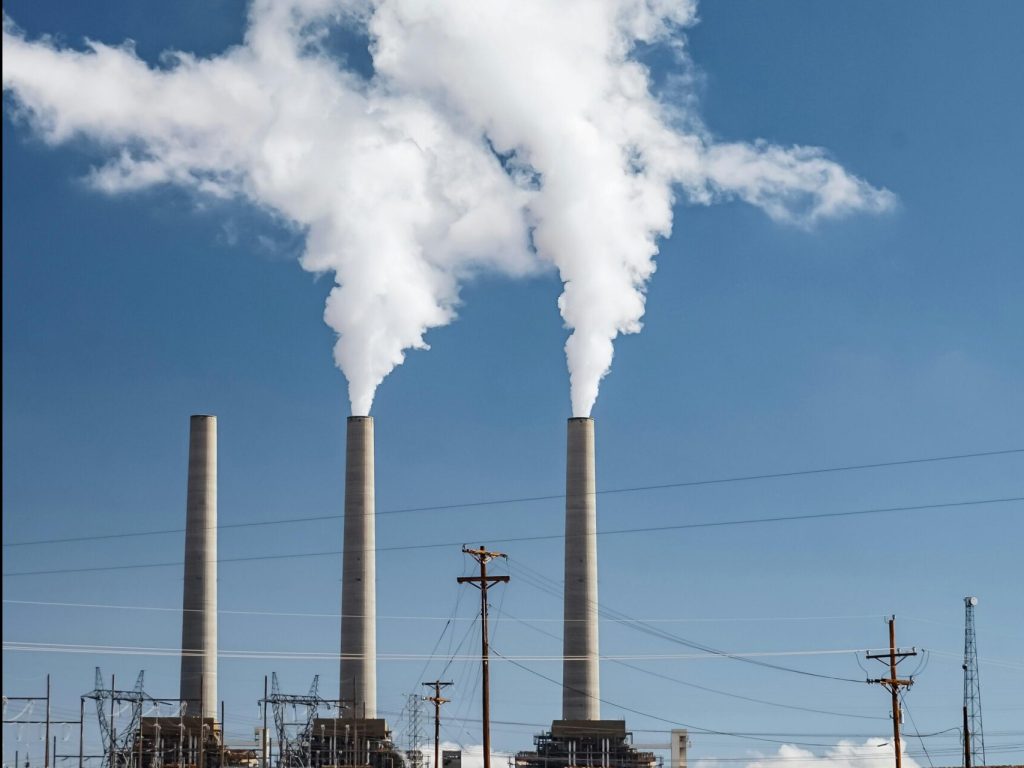
The prime minister has ordered an emissions-cutting plan, and the first Article 6 authorisation for a cooking programme has arrived. With COP31 weeks away, Bangladesh is seeking climate finance and offering carbon credits. Both depend on credible measurement.
The Green Jobs Are Coming. The Green Skills Aren’t Ready
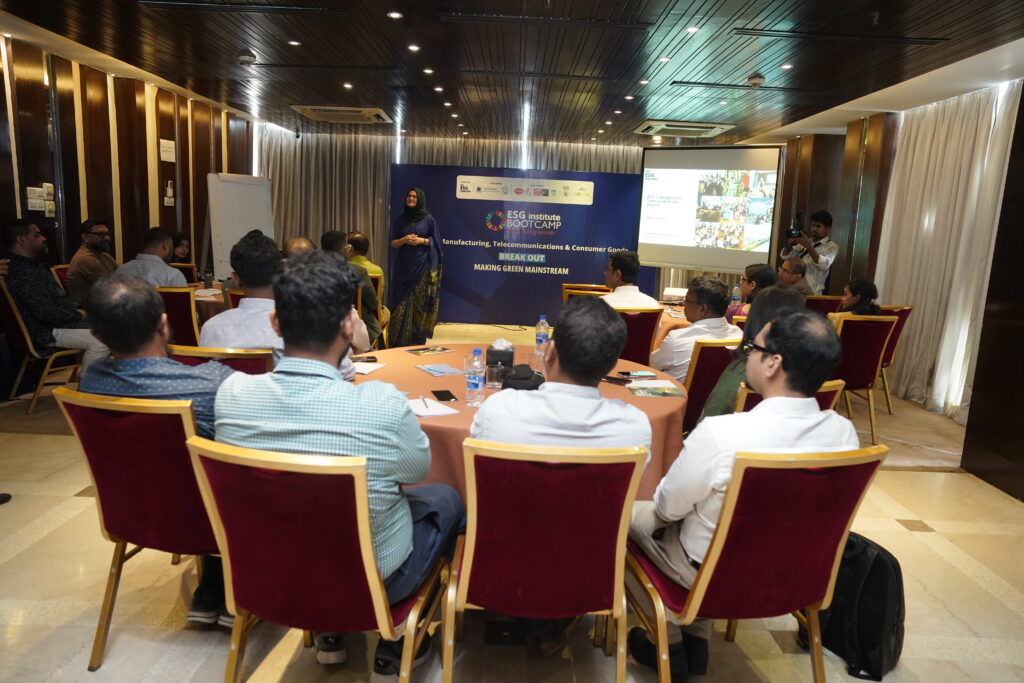
A study by three Bangladeshi universities finds demand for technical green skills is rising, while education and training systems are failing to build the broader competencies the transition needs. New rules from regulators make the gap more urgent.
Weeks Before Graduation Day, Bangladesh Still Waits for the UN’s Final Word

Bangladesh is scheduled to leave the Least Developed Country list on 24 November 2026, but it has asked the UN to defer that to 2029. The General Assembly’s decision is expected in October or early November. For exporters, the question is no longer academic.
30-40% of Output Gone: What the Gas Crisis Says About Factory Rooftops
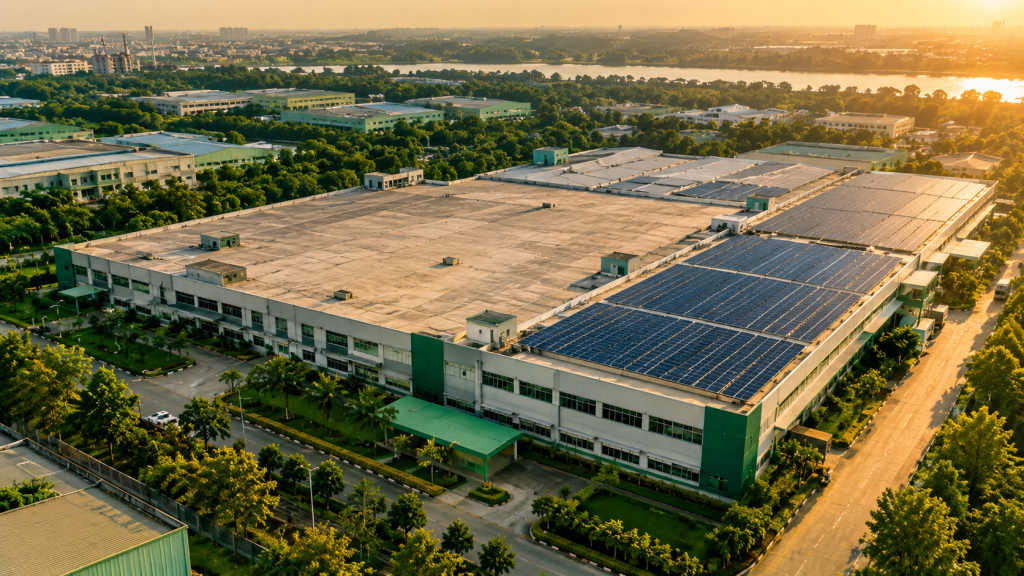
Gas shortages have cut garment output by 30–40%, and buyers are now asking factories to prove where their energy comes from. A CPD study says rooftop solar could cover roughly a third to 40% of factory electricity demand. Yet fewer than one in three factories has adopted renewables.
The Garment Audit Is Becoming a Product Audit
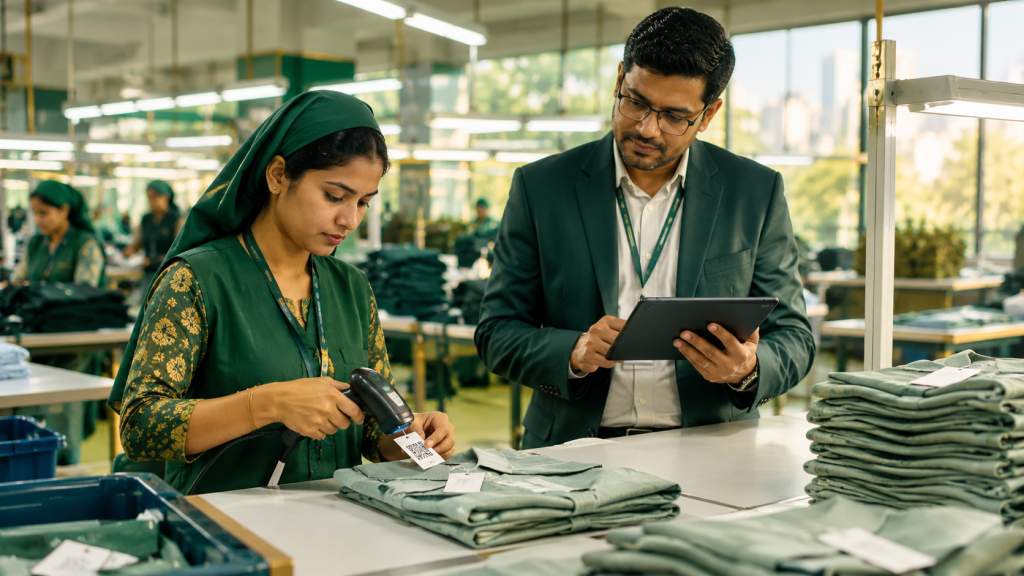
A new 2.5-year initiative in Dhaka brings Dutch retailers, technology providers, BGMEA and BKMEA together to test traceability and decarbonisation on real factory floors. Behind it sits a big shift: Europe increasingly wants proof about products, not only about factories.
Borrow at 5%. Build Green. Banks Begin to Sign Up.

Southeast Bank has joined Bangladesh Bank’s Tk1,000 crore refinance scheme for green industries and green factory buildings. Banks draw the money at 2% and can lend it on at no more than 5%. The funding exists. The next test is who can prove they qualify.
The Rulebook Is Here – Bangladesh Adopts Global Sustainability Reporting Standards

Bangladesh’s Financial Reporting Council has finalised adoption of IFRS S1 and S2, the global standards for sustainability and climate disclosure. Banks have been on this path since a 2023 central bank circular, and regulators are now looking at listed companies. The standards are written. The skills to apply them are the open question.