The Garment Audit Is Becoming a Product Audit

A new 2.5-year initiative in Dhaka brings Dutch retailers, technology providers, BGMEA and BKMEA together to test traceability and decarbonisation on real factory floors. Behind it sits a big shift: Europe increasingly wants proof about products, not only about factories.

Share On:

For years the key question to a garment factory was whether the site passed its audit. A new initiative launched in Dhaka suggests the question is changing.

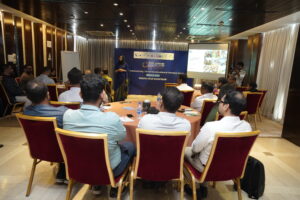
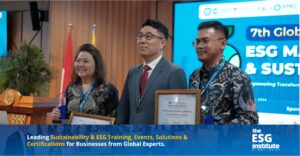
Circular Textiles Bangladesh: Advancing Traceability and Decarbonization is led by Solidaridad Asia with the Dutch Embassy and RVO, working with Dutch retailers Zeeman, Wibra and XD Connects. Technology providers Aware, tex.tracer, OneTrueValue and Colubris are on board, alongside BGMEA and BKMEA. Over 2.5 years, the project will test solutions on factory floors across product-level traceability, carbon data, transparency, decarbonisation, circularity and the formalisation of the textile waste trade.
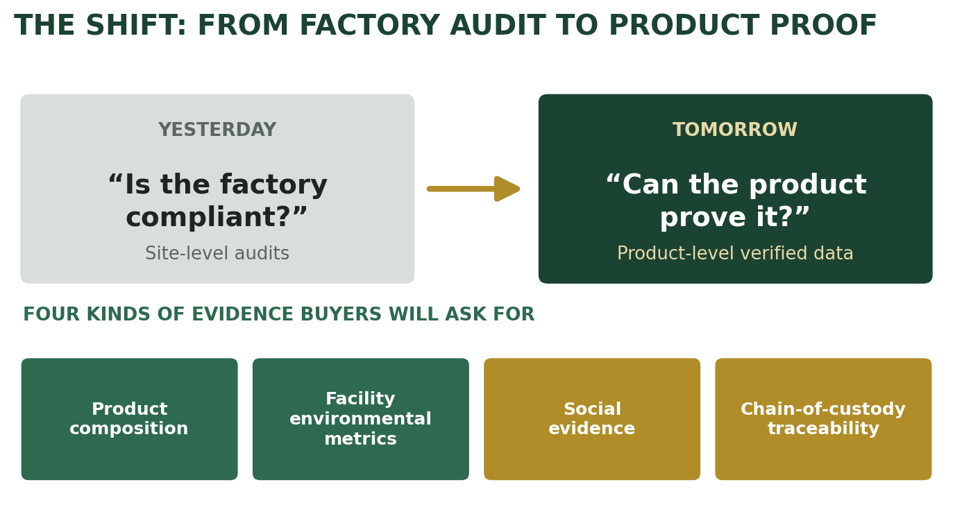
The pressure behind it is European regulation, including the Digital Product Passport, ecodesign rules, the due diligence directive and the Forced Labour Regulation. Together they move attention from site-level audits toward verified information about the product itself.

Mohammad Monower Hossain, Chief Sustainability Officer at TEAM Group, described the change as a move from asking whether a factory is compliant to asking whether a product can prove its sustainability and sourcing claims. He named four kinds of verifiable information manufacturers must be ready to supply: product composition, facility environmental metrics, social evidence, and chain-of-custody traceability. European brands may carry the legal responsibility, he noted, but they depend on suppliers for the data.

Commerce Secretary Md Ataur Rahman Khan framed traceability as a way to turn regulatory risk into market advantage.

The same direction showed up in May, when BGMEA signed an agreement with the Dutch platform AWARE to build Digital Product Passport capability. Reports say it covers around 4,000 member factories. Because Bangladesh’s industry relies heavily on imported fibres and yarns from places such as China and India, origin data has to travel with the shipment. The factory keeps ownership of its data, and pilots are planned with spinners and garment makers.

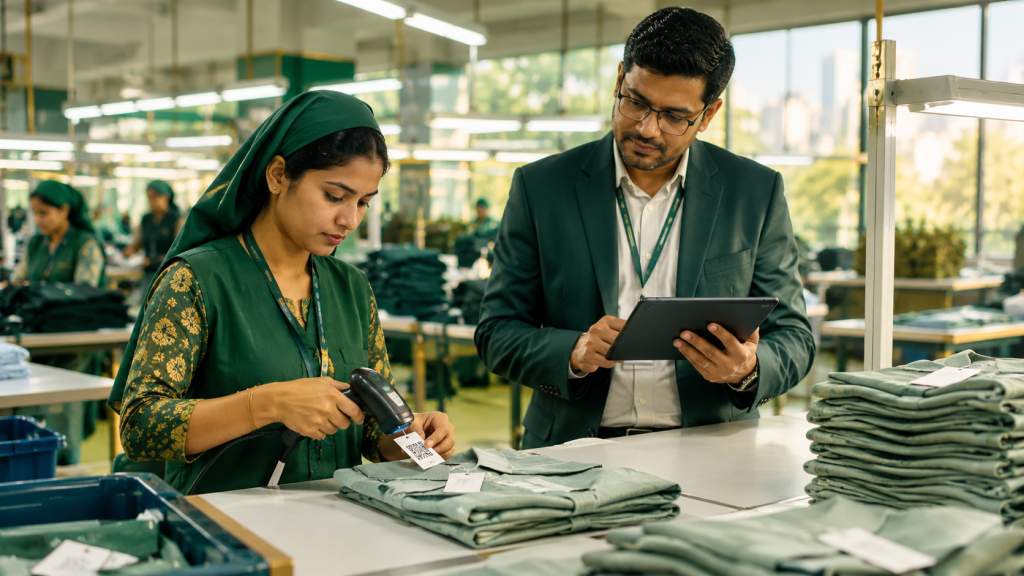
Technology can carry data. It cannot decide what counts as true. Someone inside the factory must choose what to collect, check that it is accurate, and answer when a buyer asks a hard question about a single product. That person needs training that blends sustainability knowledge, data discipline and an understanding of EU rules.


Meet the Author

Share On:

Being read right now

Bangladesh Could Qualify for GSP+ and Still Lose Duty-Free Access to Europe

Brussels has just rewritten the rulebook that will decide whether Bangladesh's garment industry keeps tariff-free access to its biggest market after LDC graduation. The twist: even meeting every requirement for the EU's preferential GSP+ scheme may not be enough — a single statistical threshold could push apparel exports back to full tariffs anyway. For an industry that sends more than half its exports to Europe, understanding the fine print has never mattered more.

Bangladesh Targets $1B a Year from Carbon Markets. Thailand Shows What It Really Takes.

FY27 budget: 11 new Article 6 carbon projects. Half the coastal mangrove belt under carbon trading. $1 billion annually in projected carbon revenue. These are real ambitions — Bangladesh genuinely has the carbon assets. The problem is that in April 2026, Thailand sold 49,717 verified carbon credits to Switzerland. Bangladesh has not sold one internationally verified unit. The difference is entirely institutional: Thailand built the MRV system first. Bangladesh announced the revenue target.

At ESG Institute Bangladesh, learn from global and local experts in sustainable development and join a community of professionals committed to making lasting change.

ESG Corporate Workshops

Expert learning on fundamentals of ESG and Sustainability for Corporates.
Learn more

ESG Student

Workshops

University sessions by corporate, policy and development sustainability experts on SDGs, Careers and Sustainability.
Learn more

ESG & Sustainability

Corporate Training

Curated, certified training on key SDG, ESG, Sustainability and Compliance experts from around the globe designed to build professional expertise.
Learn more

ESG-Sustainability

Professional Certifications

Build your professional career in ESG & Sustainability from globally recognized certifications and accreditions.
Learn more

ESG Professional Bootcamp

Learn from ESG-Sustainability experts and network with professionals in the industry in an engaging, 2-day Bootcamp centered on intensive learning on ESG and Sustainability for corporates.
Learn more

Contact Us

Contact the ESG Institute Bangladesh below, or send your contact information to request a callback from our representative.

Address

6th Floor, BIMS Bhaban, GA-9/3, Progoti Sharani, Dhaka-1212

Email

info@esginstitutebd.com

Call Us

+8801626658248