Bangladesh’s New Government Inherited a BDT 250 Billion Power Debt — and a Pledge to Quadruple Renewable Energy by 2030

Bangladesh's new government made ambitious campaign promises on energy. What we actually inherited was a financial crisis.

Share On:

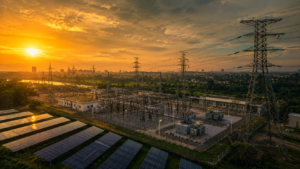
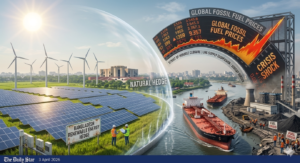
Bangladesh Power Development Board’s payment backlog for electricity purchase has exceeded approximately BDT 250 billion (USD 2.05 billion), and the new government will need to clear outstanding dues to avoid massive power supply disruptions — while also fulfilling its manifesto pledge to raise renewable energy capacity from its current 5% to 20% by 2030.

The energy-ESG link is direct and underreported. Bangladesh Bank’s IFRS S1/S2 disclosure guidelines now require banks to report on climate-related financial risks — which means energy sector exposure, fossil fuel dependency, and transition risk are landing on bank balance sheets whether institutions are ready or not.

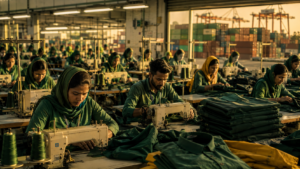
Corrective measures also cannot lead to drastic power tariff increases that would place the country’s export-oriented apparel industry at a competitive disadvantage in the global market — creating a fiscal trilemma: subsidy reform, renewable build-out, and export competitiveness don’t easily coexist.

The June 2026 budget is the first real test of whether this government can thread that needle.

Source: IEEFA
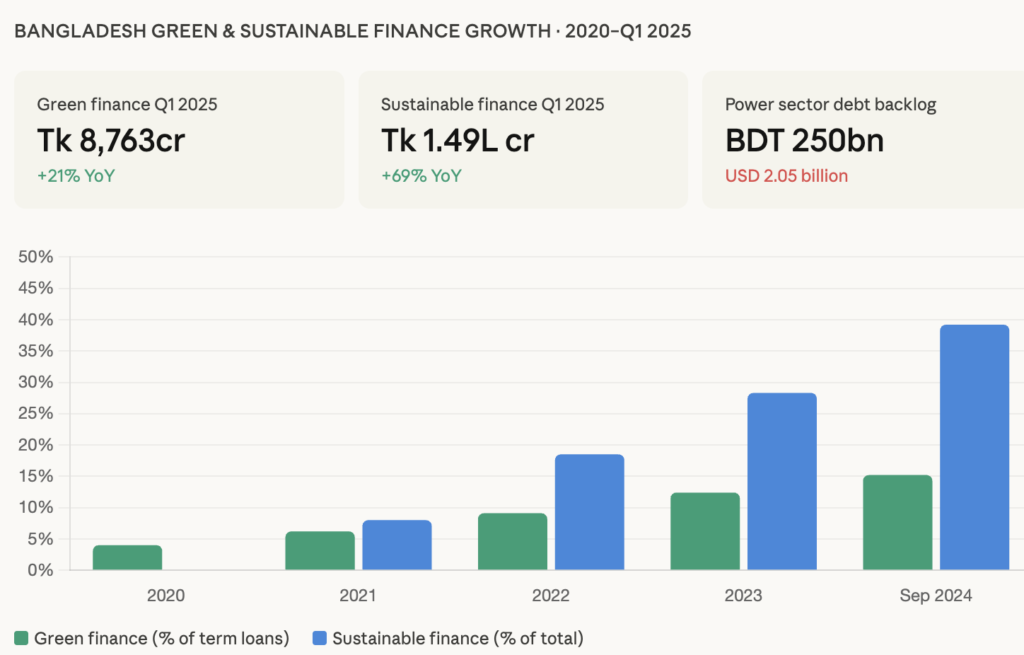
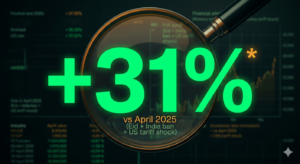
Source: FICCI Bangladesh / Bangladesh Bank · TBS, Jan 2026. Renewable energy capacity current: ~5% of electricity mix (IEEFA, March 2026). Annual climate finance need: USD 26bn (UNDP, 2026).


Meet the Author

Share On:

Being read right now

Bangladesh’s Banks Are on the Global ISSB Watch List. The Green Capital the Country Needs Depends on What They Do Next

Bangladesh Bank mandated ISSB-aligned sustainability disclosures for banks in December 2023. The 2026 phase requires 'more detailed disclosures.' Bangladesh is formally profiled by the IFRS Foundation alongside Australia and Brazil. International investors are comparing Bangladesh's banks to peers in those countries. Bangladesh needs $980M per year for its 2030 renewable target. Almost none of it arrives without credible disclosures.

What is a good ESG Rating for a company?

ESG ratings help investors, stakeholders, and consumers understand how well a company manages its environmental impact, social responsibilities, and governance structures.

At ESG Institute Bangladesh, learn from global and local experts in sustainable development and join a community of professionals committed to making lasting change.

ESG Corporate Workshops

Expert learning on fundamentals of ESG and Sustainability for Corporates.
Learn more

ESG Student

Workshops

University sessions by corporate, policy and development sustainability experts on SDGs, Careers and Sustainability.
Learn more

ESG & Sustainability

Corporate Training

Curated, certified training on key SDG, ESG, Sustainability and Compliance experts from around the globe designed to build professional expertise.
Learn more

ESG-Sustainability

Professional Certifications

Build your professional career in ESG & Sustainability from globally recognized certifications and accreditions.
Learn more

ESG Professional Bootcamp

Learn from ESG-Sustainability experts and network with professionals in the industry in an engaging, 2-day Bootcamp centered on intensive learning on ESG and Sustainability for corporates.
Learn more

Contact Us

Contact the ESG Institute Bangladesh below, or send your contact information to request a callback from our representative.

Address

6th Floor, BIMS Bhaban, GA-9/3, Progoti Sharani, Dhaka-1212

Email

info@esginstitutebd.com

Call Us

+8801626658248