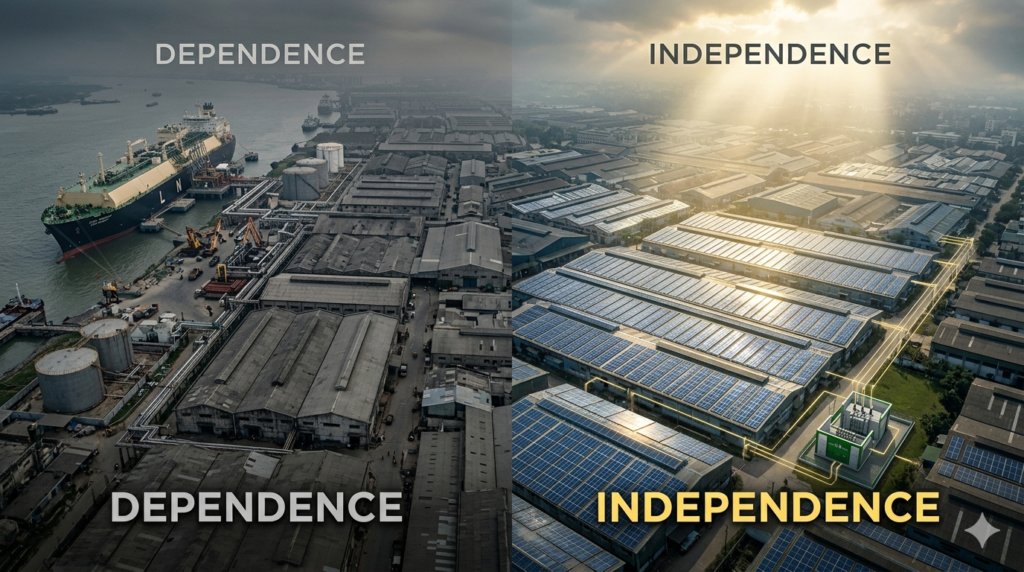
A joint report by Ember, the Climate Vulnerable Forum, and V20 Finance Ministers — released in early April 2026 — lands an uncomfortable number: Bangladesh’s continued dependence on imported fossil fuels now costs the economy an additional $5 billion annually in volatility burden. Titled ‘The Electric Fast-Track for Emerging Markets,’ the report argues that Bangladesh and similar economies are not locked into the traditional fossil fuel development pathway. They have a unique opportunity to leapfrog directly to energy abundance through solar, battery storage, and electrification.
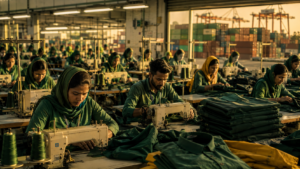
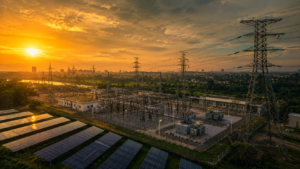
The economics have shifted decisively. Utility-scale solar EPC prices now sit at USD 600–800 per kilowatt. Industrial rooftop systems, while slightly more expensive at USD 1,000–1,200 per kilowatt, are already generating electricity cheaper than grid rates in many industrial zones. More than 200 garment facilities have already deployed over 7 MW of rooftop solar under IFC’s Greener Garments Initiative — a threefold rise in just 18 months.
Shafiqul Alam, IEEFA’s Lead Analyst for Bangladesh energy, noted: ‘What appears encouraging is that many industries have already implemented rooftop solar systems, and many more are considering it now more than a few years ago. The pipeline of rooftop solar in the industry sector seems promising.’
The Bangladesh Context
The industrial energy cost crisis is not abstract. Gas prices for industry have risen 260% in recent years. Bangladesh’s power sector, heavily gas-dependent, has left manufacturers exposed. Meanwhile, international buyers — particularly EU fashion brands with net-zero targets for 2030 — are increasingly requiring supply chain decarbonisation data as a condition of purchase orders.
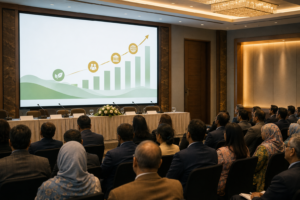
The strategic framing from M. Zakir Hossain Khan, Co-Founder of Change Initiative, delivered at the report launch: ‘We are no longer just importing oil; we are importing a debt crisis that will paralyse a generation.’ The renewable energy case is no longer primarily environmental. It is economic and strategic.
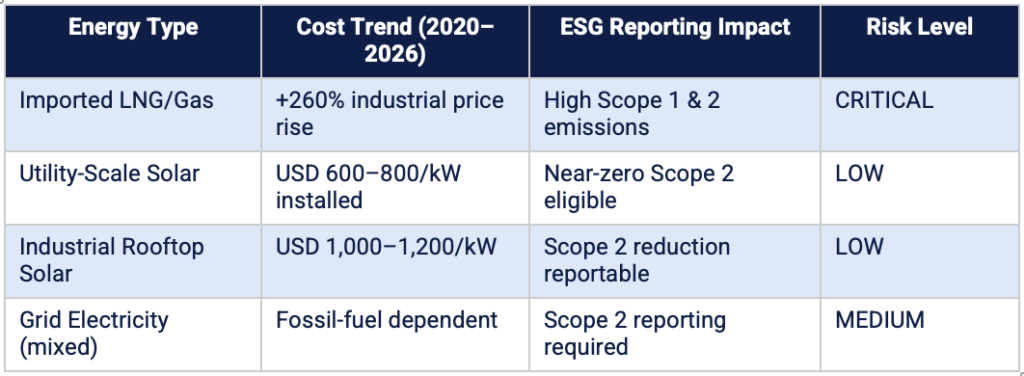
Figure 2: Energy transition economics for Bangladesh industries — cost vs. ESG reporting impact
Why This Is a Training and Reporting Story
The shift to renewables generates two immediate needs that trained ESG professionals can fill. First: carbon accounting — organisations need people who can calculate and document emission reductions credibly, using recognised frameworks like GHG Protocol. Second: sustainability reporting — the energy transition only ‘counts’ for international buyers, investors, and regulators when it is disclosed in a verifiable report following GRI, IFRS S1/S2, or equivalent standards.
Without trained professionals, investments in solar become a cost item on the balance sheet instead of a competitive advantage on the sustainability disclosure. Both outcomes are available. The decision depends on whether organisations build the capacity now.
ESG Institute Bangladesh is Bangladesh’s only dedicated ESG education and advisory institute. We offer professional certification, corporate training, and sustainability reporting advisory built specifically for the Bangladesh context. The ESG Excellence Awards Bangladesh 2026 recognise organisations already building this future. Applications open now.
Professional Trainings (Diploma, Accreditations, In-Depth Workshops): https://esginstitutebd.com/| Join the 2026 ESG Awards: esgawardsbd.com