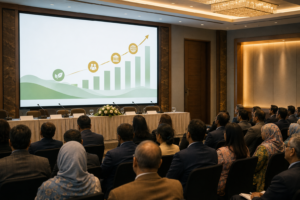
On February 11, 2026, the World Bank approved $370 million in financing for the Metro Dhaka Water Security and Resilience Programme — a multi-phase initiative designed to strengthen wastewater management and reduce industrial pollution across greater Dhaka. The scale of the approval reflects the scale of the crisis it is attempting to address.
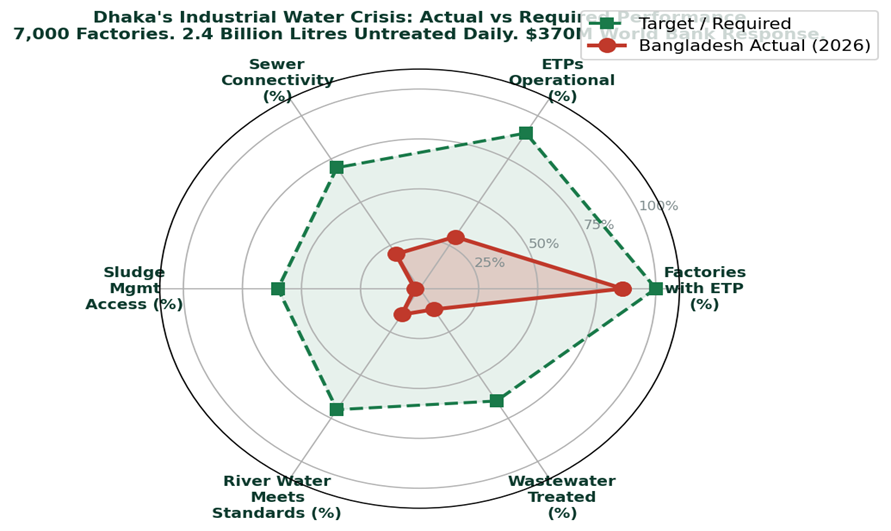
Dhaka industrial water governance radar – actual 2026 performance vs required standards across six metrics: ETP installation, operational compliance, sewer connectivity, sludge management, river water quality, and wastewater treated
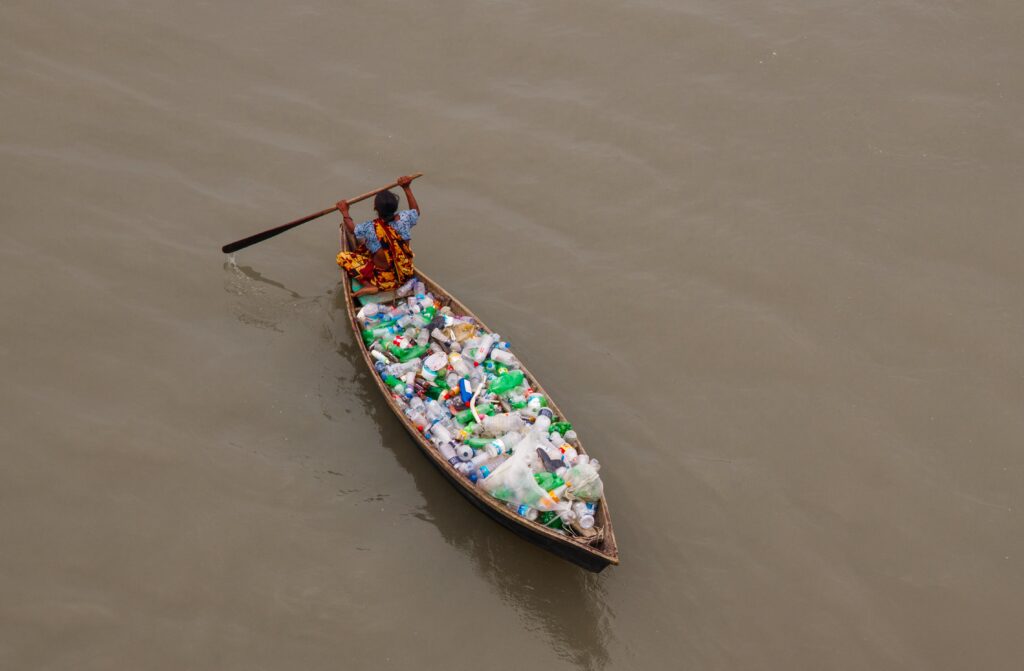
Greater Dhaka, which accounts for nearly half of Bangladesh’s formal employment and approximately one-third of its GDP, is built around an industrial base of approximately 7,000 factories. These factories collectively discharge an estimated 2.4 billion litres of untreated wastewater daily into the waterways surrounding the city. The Buriganga River — once the commercial and cultural heartbeat of Dhaka — has oxygen levels as low as 0.1 milligrams per litre at some measurement points. Aquatic life requires a minimum of 5 milligrams per litre. In measurable ecological terms, stretches of the Buriganga are dead.
Oxygen level in the Buriganga River at Bosila: 0.1 mg/litre. Minimum required for fish survival: 5 mg/litre. This is not pollution. It is ecological elimination.
The infrastructure gap is quantifiable and severe. Only approximately 20% of Dhaka residents are connected to functioning sewer networks. Just 2% have access to operational sludge management systems. Around 2,500 factories in the Dhaka metropolitan area have installed effluent treatment plants — approximately 86% of those required to have them. However, the Department of Environment’s own assessments indicate that most ETPs are not operated continuously; they are activated when government inspection visits are anticipated and switched off to reduce operating costs afterward. The DoE currently has 67 field inspectors against a sanctioned strength of 157.
The World Bank programme aims to build the institutional and physical infrastructure to begin reversing this: expanding sewer coverage, improving effluent treatment standards, incentivising industrial water reuse and recycling, and strengthening the DoE’s monitoring and enforcement capacity. The programme’s design explicitly targets private sector participation — recognising that public finance alone cannot address the scale of wastewater generation that Dhaka’s industrial base produces.
The ESG relevance extends beyond environmental compliance. EU supply chain due diligence requirements under CSDDD explicitly include water-related human rights impacts — the right to clean water for communities living near industrial zones. Buyers who source from Dhaka’s garment clusters are legally required, from 2029, to assess and address these impacts across their supply chains. Factories that cannot demonstrate responsible water management — operational ETPs, wastewater quality monitoring, river impact assessments — will face an escalating compliance burden. The $370 million is a start. The institutional transformation required is larger. Bangladesh’s window to treat water governance as an ESG priority — before buyers make it a contract condition — is narrowing.