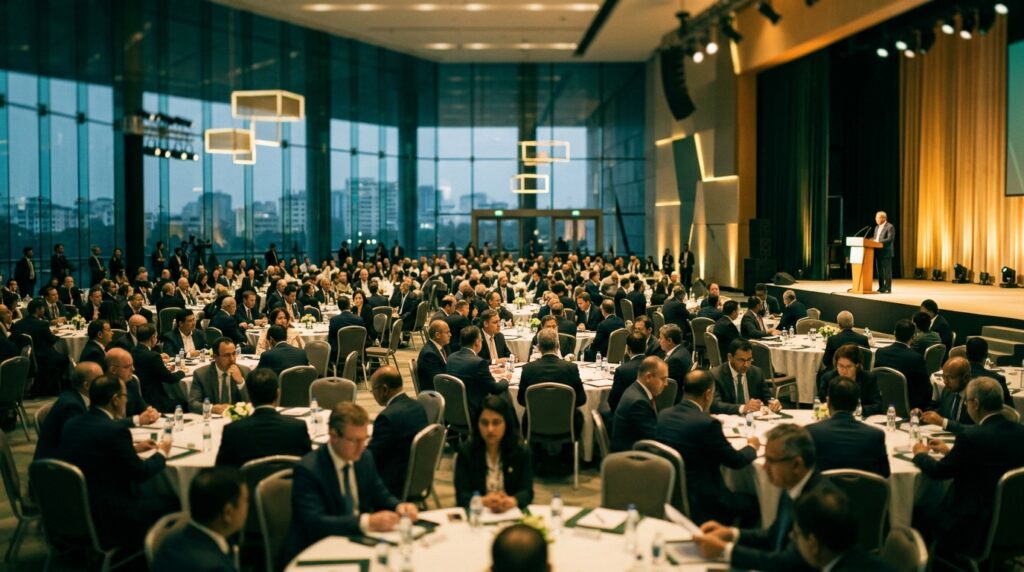
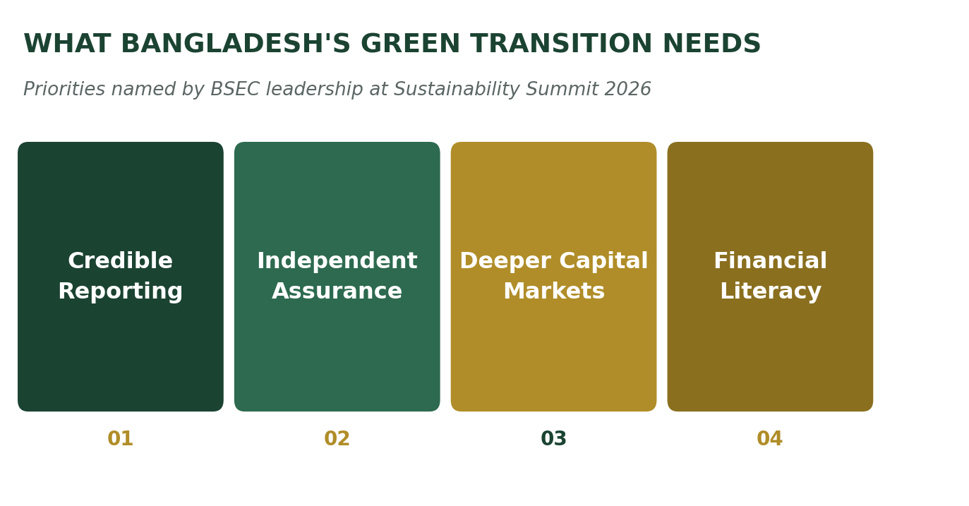
Key priorities named by BSEC leadership at the Sustainability Summit 2026, Radisson Blu Water Garden Hotel, Dhaka.
Bangladesh wants to fund its way to a low-carbon economy. The problem, according to the country’s top securities regulator, is that almost nobody in the market yet knows how to structure the deal.
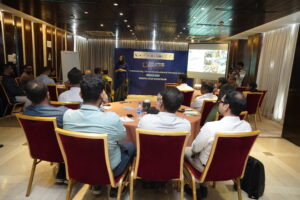
Speaking as chief guest at the fourth edition of the Sustainability Summit 2026 in Dhaka, Bangladesh Securities and Exchange Commission Chairman Masud Khan told a room of business leaders, policymakers and academics that green, social, sustainability and blue bonds are fast becoming the default financing instruments for climate transitions worldwide — and that Bangladesh needs to position itself to tap them before the window narrows further.
It was not a celebratory message. Khan was explicit that new financial products alone will not move the needle. What Bangladesh lacks, he argued, is the underlying infrastructure: credible sustainability reporting, independent assurance mechanisms to verify that reported numbers are real, deeper and more efficient capital markets, and a level of financial literacy among issuers and investors that simply does not exist yet at scale. Without those, he warned, capital meant for genuine green transition risks being diverted by greenwashing — claims of sustainability that don’t survive scrutiny.
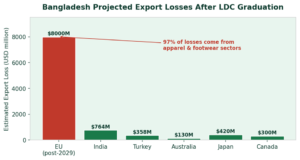
The timing sharpens the stakes. Shariful Islam, founder of the Bangladesh Brand Forum, framed the moment starkly: as the country counts down to its November 2026 graduation from Least Developed Country status and its 2030 climate commitments, this is the window to move from responsibility to impact — not a comfortable multi-year runway.
Other speakers filled in the picture. Policy Exchange Bangladesh’s M Mashrur Reaz said sustainability disclosure is fast becoming a precondition for exporters, not a nice-to-have. Dhaka University’s Melita Mehjabeen said verified disclosures and supply chain traceability have become the language buyers, investors and consumers now use to decide who they trust. And a panel on the ready-made garment sector the industry carrying most of Bangladesh’s export earnings agreed that the next phase of competitiveness will run on decarbonisation data and internationally recognised ESG standards, not just factory certificates on a wall.
Strip away the panel-speak and the message is uncomfortably simple: the world is ready to lend Bangladesh green money. Bangladesh is not yet ready to receive it in a form global capital trusts. That gap — between ambition and verifiable, assured, standards-based reporting — is exactly where boards, finance teams and sustainability officers now need to build capability, and fast. The institutions that close that gap first will be the ones actually raising the blue and green bonds everyone at the summit was talking about.