
 Environment
Unilever with the University of Nottingham, repurposes waste flowers into sustainable fragrances.
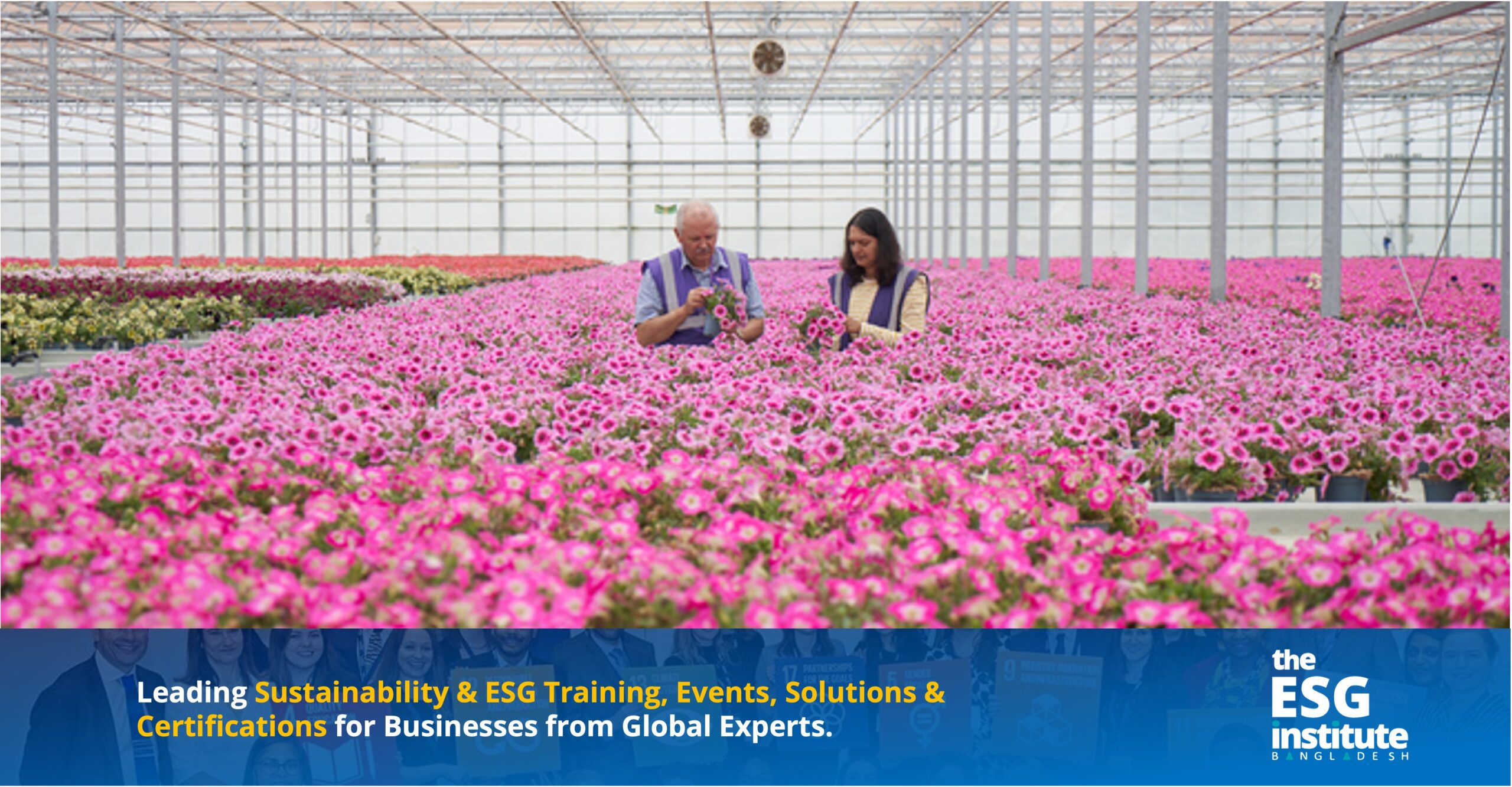
Unilever is embarking on a groundbreaking initiative to create sustainable fragrances by repurposing waste flowers. This innovative pilot program, developed in collaboration with the University of Nottingham, aims to reduce emissions and decrease reliance on petrochemical-derived ingredients.
Neil Parry, Unilever’s head of biotechnology, highlighted the potential of this initiative: “Using the latest in biotech and bio-sourcing principles, we see huge potential to create a circular economy for plants by extracting valuable ingredients and creating a diverse selection of new and sustainable fragrances.”
Scientists are employing an enhanced Soxhlet extraction method combined with ultrasonication to efficiently extract essential oils from surplus plants like petunias, roses, and marigolds. This method, which uses sound waves to break down cell walls, speeds up the extraction process by 40%, taking just 20 minutes to obtain the desired compounds.
Neil Parry emphasized the environmental benefits: “Plants that don’t make the grade still have valuable materials with functional benefits and could reduce our impact on the environment. Finding multiple uses for farm waste is crucial for sustainable ingredient and product sourcing.”
The Bridge Farm Group in Lincolnshire, which supplies 90 million plants annually to UK retailers, collaborates with Unilever to provide flowers that would otherwise go unsold. These plants are stored in a 60-acre greenhouse, extending their lifespan long enough for scientists to transform them into high-value raw ingredients.
Assistant Professor Parimala Shivaprasad from the University of Nottingham explained, “At the labs in Nottingham, we’re developing energy-efficient extraction methods and enzyme-based modifications, while also evaluating the practicality and cost-effectiveness of using plant waste as a raw material. This project showcases the potential of cutting-edge science and technology processes to create sustainable solutions for the future.”
Unilever is also exploring the extraction of other high-value ingredients, such as terpenes, lactones, ethers, and complex sugars. These ingredients could be used in textile care products and for malodour neutralization in personal care items, further enhancing the sustainability of their product lines.
By leveraging innovative extraction techniques and partnerships, Unilever’s initiative not only offers a sustainable solution to plant waste but also sets a precedent for the industry to follow. This initiative underscores Unilever’s commitment to environmental responsibility and innovation, paving the way for a more sustainable future.
Environment Environment
 Environment
Hivedemy turns ESG into short, hands-on lessons built and checked by professionals worldwide. Every lesson teaches first, then asks you to do the work, and every attempt gets a reason.