Section 301 can result in sweeping additional tariffs, import restrictions, or retaliation measures. This is separate from the February 2026 trade deal that reduced the reciprocal tariff to 19%. That deal covers tariff rates. Section 301 goes after the structural incentives underneath them.
The ESG implication is direct: labour rights documentation, supply chain traceability, environmental compliance records, and GRI-aligned sustainability reports are no longer nice-to-have credentials. They are the evidence Bangladesh must produce to defend itself in trade disputes.
The CSRD and CSDDD push from Europe. Section 301 from the US. LDC graduation in November. Three converging forces that all ask the same thing: show your work.
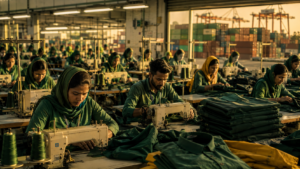
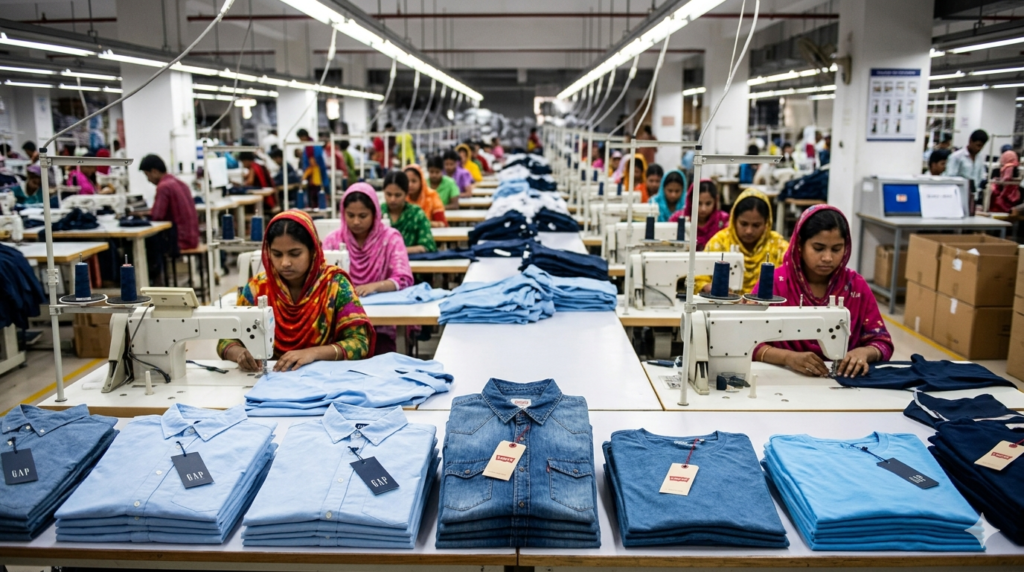
For Bangladesh’s 4 million garment workers, this is not an abstract policy debate. ESG compliance infrastructure is what keeps their jobs intact.
Source: The Daily Star