
China Generates Geothermal Power in Jiangsu for the First Time: Bangladesh Should Pay Attention
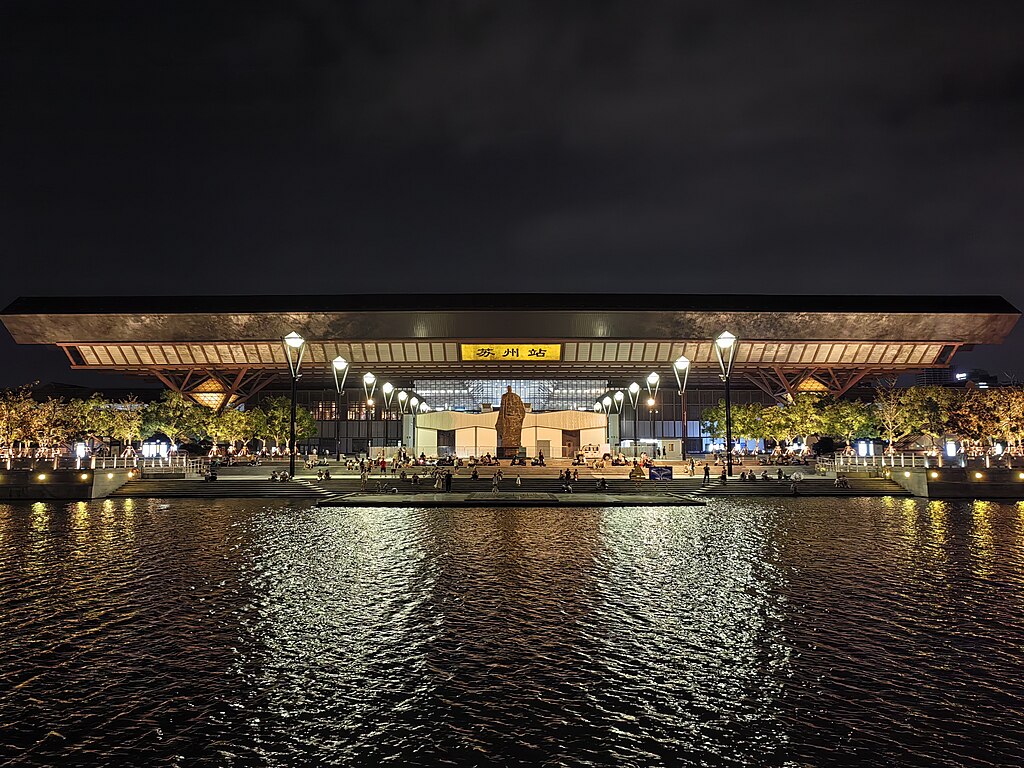
In Rudong County, Jiangsu Province, China drilled a well to 3,501 metres, struck a 108°C geothermal resource, and produced 200 kilowatts of electricity, the first geothermal power ever generated in Jiangsu. Small pilot. Enormous signal. Bangladesh sits on the same eastern coastal geological belt. Sitakund has documented hot springs. And Bangladesh is spending Tk 390 million a month on LNG subsidies while a baseload clean energy resource may be sitting under its own soil. Nobody is looking.
Bangladesh Signed a Trade Deal with Japan. Labour Rights and Environmental Accountability Are in the Text
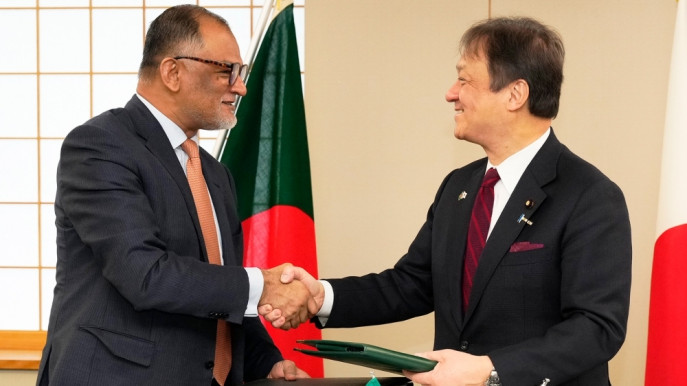
On February 6, Bangladesh signed its first-ever Economic Partnership Agreement with Japan. The headline: duty-free access to 97% of Bangladesh’s export basket, including RMG. What the headlines missed: the EPA contains specific provisions on labour rights, fair wages, safe work environments, social security, pollution control, natural resource conservation, and sustainable development. This is not just a trade deal. It is ESG compliance embedded in bilateral law.
15% of the Sundarbans Can’t Recover from Climate Stress, but Bangladesh Ignores the Emergency
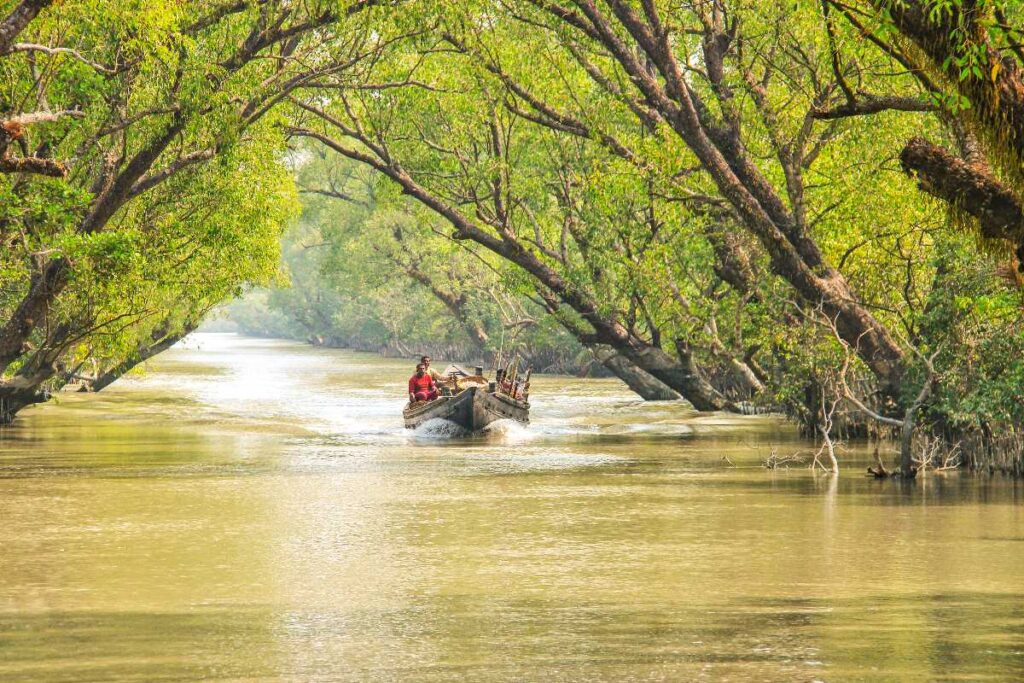
A peer-reviewed study published in Communications Earth & Environment analysed 25 years of satellite data and found that 10–15% of the Sundarbans 610 to 990 square kilometres has lost its ability to recover from environmental stress. Cyclones, saline intrusion, and human pressure are driving what scientists call ‘critical slowing down.’ The forest that protects 6 million people, sequesters millions of tonnes of carbon, and sustains Bangladesh’s coastal economy is weakening and the governance response has not matched the scientific urgency
Bangladesh Could Earn $1 Billion a Year from Carbon Markets. The Problem Is Nobody Will Buy Credits They Cannot Verify.
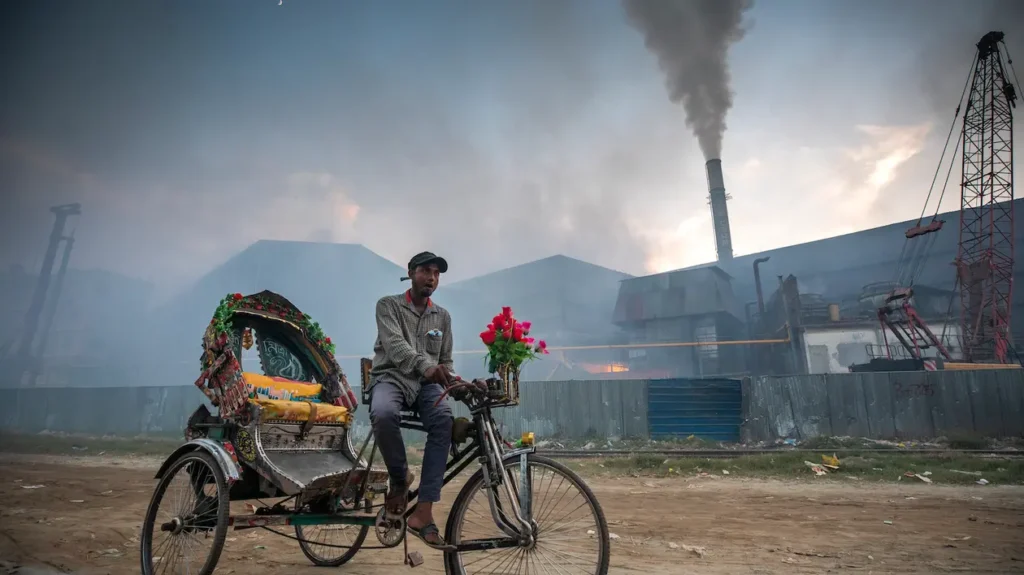
In April 2026, Thailand transferred 49,717 verified carbon units ITMOs to Switzerland under Article 6 of the Paris Agreement. The transaction happened because Thailand built the measurement, reporting, and verification system that made the credits trustworthy. Bangladesh is planting 250 million trees and targeting $1 billion in annual carbon revenue. Without a functioning MRV system, those trees generate carbon, not credits
Bangladesh’s FY27 Budget Is Being Written Now. Civil Society Has One Ask: Stop Letting Climate Finance Shrink.
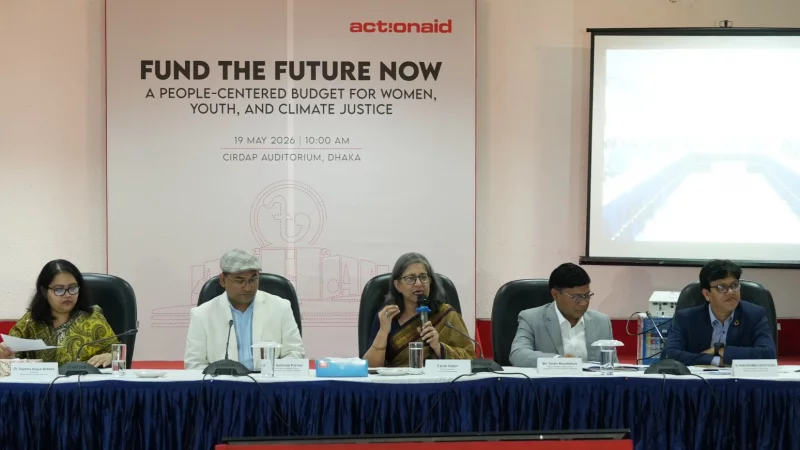
Bangladesh’s climate budget for FY26 was Tk 41,209 crore 10.07% of the national budget. That sounds significant. It has also been falling as a share of GDP every year since FY20. The environment ministry received just 0.3% of the total budget. 88% of climate finance came from foreign loans and grants. At a May 19 dialogue, the PM’s special assistant confirmed carbon trading could generate $1 billion annually. Civil society’s demand: build the domestic fiscal architecture to match the climate ambition. The FY27 budget is the test.
Bangladesh’s Banks Have the Policies. They Don’t Have the People
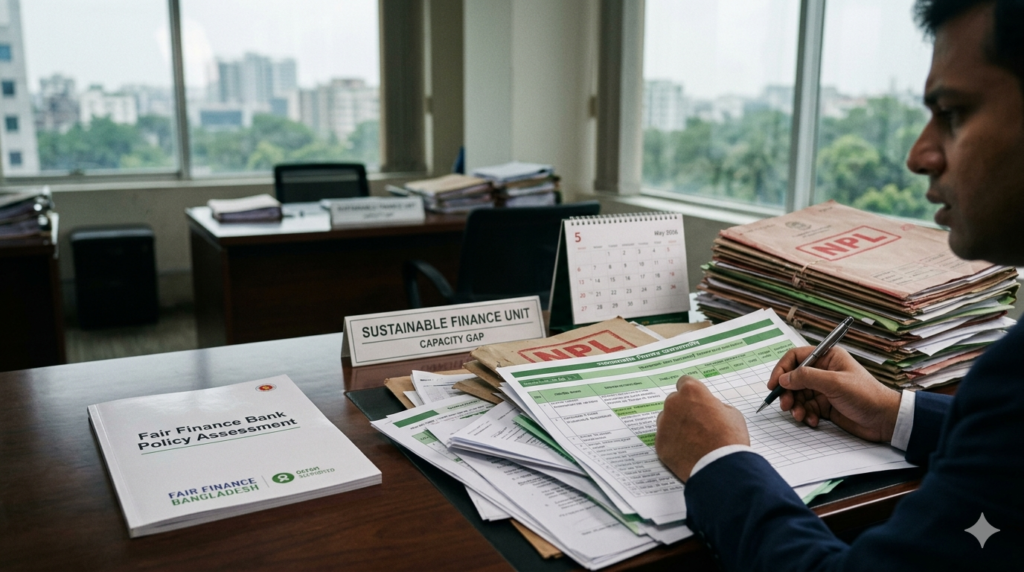
While Bangladesh Bank has successfully established one of South Asia’s most progressive sustainable finance frameworks, a newly released landmark ESG report card reveals a staggering execution gap. The country’s top sustainability-rated banks met just 11.6% of their annual green finance targets in 2025. The core issue isn’t the regulatory architecture, it is an acute shortage of trained, credentialed professionals capable of turning policy into portfolio reality amid a banking sector already strained by record-high non-performing loans.