
 ESG News
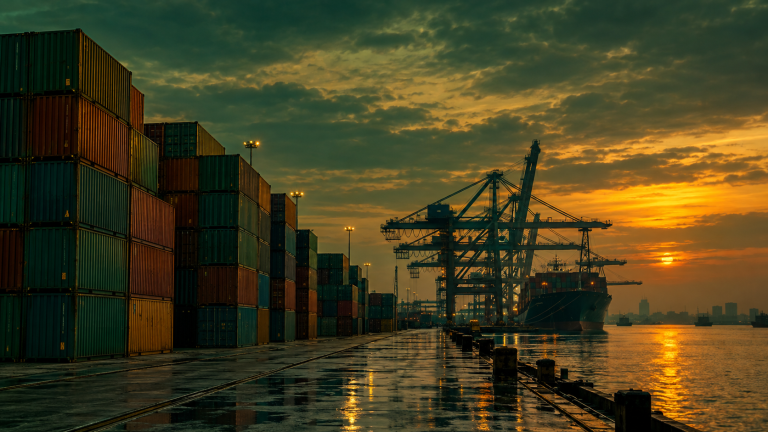
Despite securing vast offshore gas rights in the Bay of Bengal, Bangladesh remains heavily dependent on costly LNG imports—spending about BDT 407 billion annually—highlighting a real-world case of stranded asset and transition risk impacting the national economy.

In 2012 and 2014, international tribunals handed Bangladesh one of the greatest natural resource windfalls in South Asian history.
Bangladesh gained sovereign rights over 118,813 square kilometres of the Bay of Bengal — an exclusive economic zone larger than the country’s entire land mass, potentially sitting atop one of the world’s largest underexplored offshore gas reserves.
Twelve years later: Bangladesh spent over 407 billion taka on LNG imports in FY2024–25 — paying roughly 18 times more per unit than it would for domestically produced gas.
The new government inherited this paradox. A country resource-rich offshore, energy-poor at home, and fiscally strangled by import dependency.
For ESG professionals: this is what stranded asset risk and transition risk look like in real life — not on a disclosure template, but in the national budget.
The “E” in ESG has a price tag. Bangladesh’s is BDT 407 billion a year, and rising.
Source: The Diplomat
ESG News Environment
 ESG Global Trends
Hivedemy turns ESG into short, hands-on lessons built and checked by professionals worldwide. Every lesson teaches first, then asks you to do the work, and every attempt gets a reason.