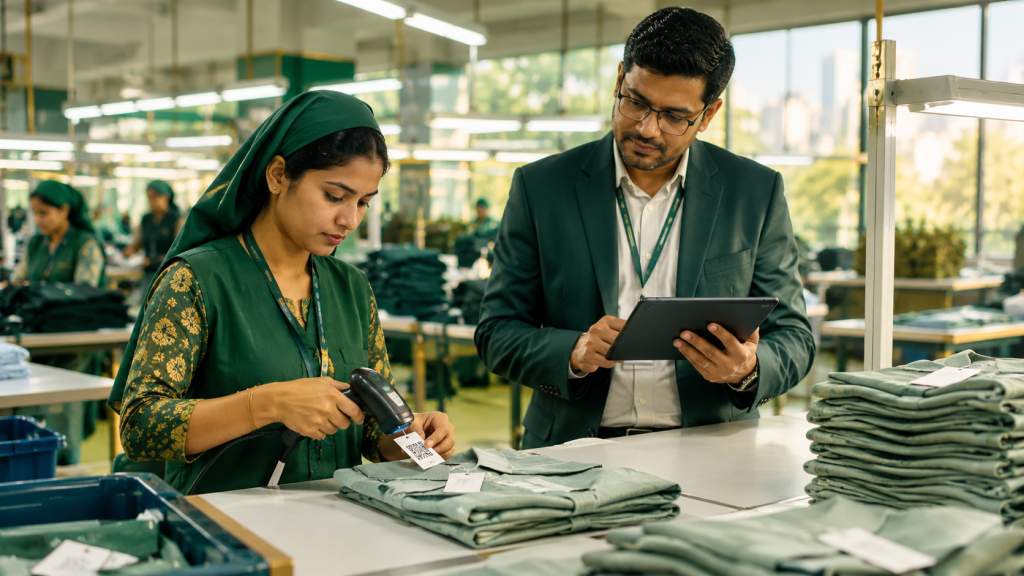
For years the key question to a garment factory was whether the site passed its audit. A new initiative launched in Dhaka suggests the question is changing.
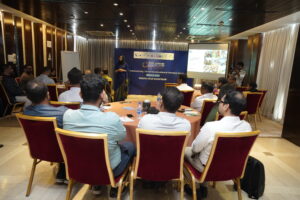
Circular Textiles Bangladesh: Advancing Traceability and Decarbonization is led by Solidaridad Asia with the Dutch Embassy and RVO, working with Dutch retailers Zeeman, Wibra and XD Connects. Technology providers Aware, tex.tracer, OneTrueValue and Colubris are on board, alongside BGMEA and BKMEA. Over 2.5 years, the project will test solutions on factory floors across product-level traceability, carbon data, transparency, decarbonisation, circularity and the formalisation of the textile waste trade.
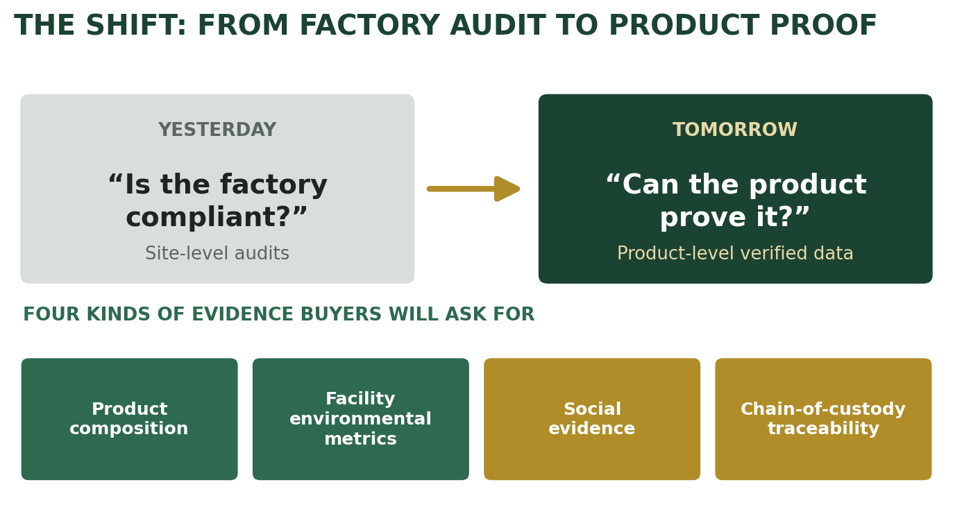
The pressure behind it is European regulation, including the Digital Product Passport, ecodesign rules, the due diligence directive and the Forced Labour Regulation. Together they move attention from site-level audits toward verified information about the product itself.
Mohammad Monower Hossain, Chief Sustainability Officer at TEAM Group, described the change as a move from asking whether a factory is compliant to asking whether a product can prove its sustainability and sourcing claims. He named four kinds of verifiable information manufacturers must be ready to supply: product composition, facility environmental metrics, social evidence, and chain-of-custody traceability. European brands may carry the legal responsibility, he noted, but they depend on suppliers for the data.
Commerce Secretary Md Ataur Rahman Khan framed traceability as a way to turn regulatory risk into market advantage.
The same direction showed up in May, when BGMEA signed an agreement with the Dutch platform AWARE to build Digital Product Passport capability. Reports say it covers around 4,000 member factories. Because Bangladesh’s industry relies heavily on imported fibres and yarns from places such as China and India, origin data has to travel with the shipment. The factory keeps ownership of its data, and pilots are planned with spinners and garment makers.
Technology can carry data. It cannot decide what counts as true. Someone inside the factory must choose what to collect, check that it is accurate, and answer when a buyer asks a hard question about a single product. That person needs training that blends sustainability knowledge, data discipline and an understanding of EU rules.