The 2024 Vietnam ESG Investor Conference, co-presented by Raise Partners and Vietnam Innovators by Vietcetera Media, was a significant event in Vietnam’s journey towards sustainable development. Held on May 16 and 17 at New World Saigon, the conference brought together industry leaders and investors to tackle climate change challenges and promote a more equitable future.
In its second year, the conference aimed to unite investors, business leaders, nonprofits, and research institutions to advance impactful ESG projects, fostering a prosperous, inclusive, and resilient future for Vietnam.
Key additions to the program included Networking and Business Matching sessions, facilitating potential partnerships between investors and entrepreneurs, and an exclusive Field Trip offering guests a firsthand look at Vietnam’s sustainability practices and ESG initiatives.
“With the central theme ‘Building a Resilient Future for Vietnam,’ the conference this year was aimed at answering critical, pressing questions about Vietnam’s future amidst the climate crisis: How do we create resilient ecosystems that integrate communities, government structures, financial systems, and social fabric? How can we instill responsibility in the business sector, economic players, and the public in fostering collective action for humanity and the planet?
And the meaningful dialogues we had during those two days will serve, in one or another, as a blueprint in balancing economic growth with environmental preservation and social equity,” said Hao Tran, CEO at Vietcetera.
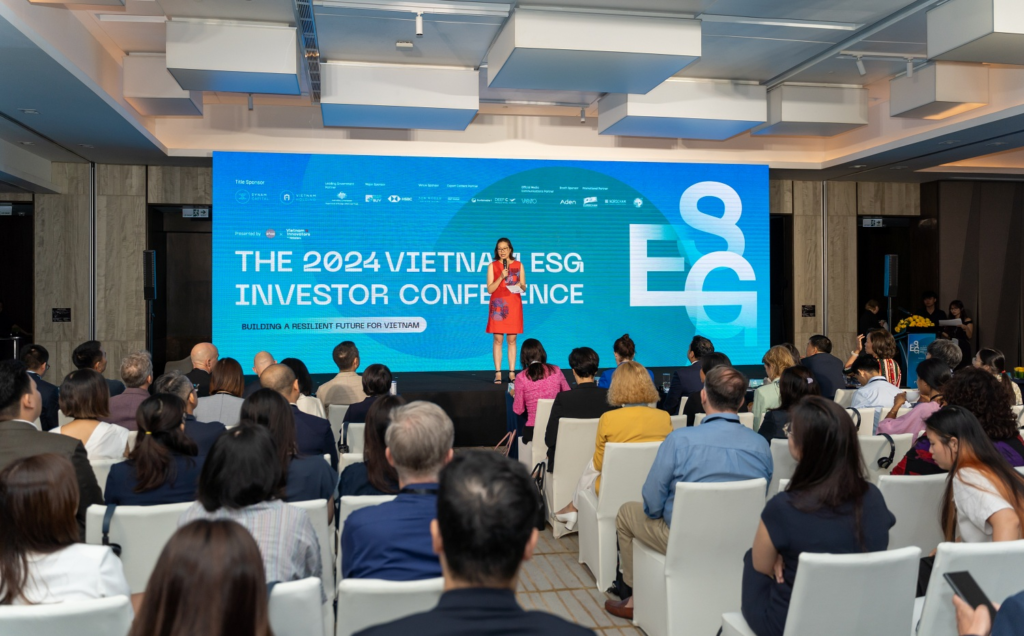
“ESG is no longer just an offshoot of CSR or a marketing strategy for corporate image. It is now an integral part of business operations, legal partnerships, accreditations, and investment prerequisites. Vietnamese enterprises are especially called to strengthen their ESG policies to align with international due diligence laws and unlock opportunities for growth and expansion,” emphasized Van Ly, Partner at Raise Partners.
The Vietnam ESG Investor Conference, founded on impactful business practices, saw participation from notable organizations like the Australian Government Department of Foreign Affairs and Trade, the EU Delegation to Vietnam, HSBC Vietnam, UNICEF Vietnam, and more.
Resilient Ecosystems and Climate Transition
Vietnam aims to reach net-zero carbon emissions by 2050, end deforestation by 2030, and reduce greenhouse gases. Achieving these goals requires $368 billion in investments and public-private partnerships. Financial tools from the Asian Development Bank, World Bank, and others are available, but green capital flow is hindered by policy gaps.
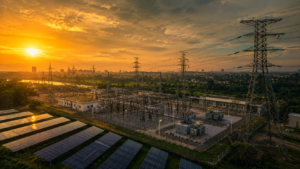
Madame Ha Thu Thanh, Chair of the Vietnam Institute of Directors, stressed the need for robust investment infrastructure to support low-carbon activities. Key projects needing funding include renewable energy ecosystems, smart power grids, and energy storage systems.
HSBC Vietnam CEO Tim Evans highlighted the importance of public-private collaboration to achieve net zero by 2050. “Reaching net zero can only be accomplished through collaborative efforts that leverage the strengths and resources of both sectors,” he said.
Quyen Vuu, CEO of Biti’s, emphasized that achieving sustainability goals requires leadership and integrating ESG values into all business levels. “Crafting a strong ESG strategy goes beyond setting goals; to achieve lasting success, it needs to be deeply rooted in the organization’s leadership values and implemented across all levels of the business,” he said.
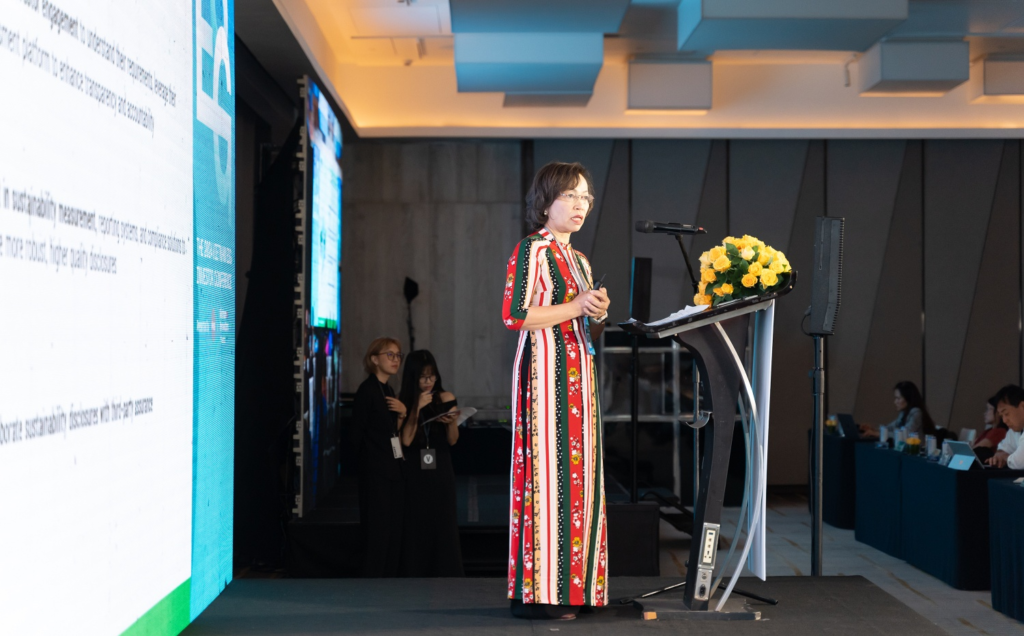
Madame Ha Thu Thanh, Chair of the Vietnam Institute of Directors, stressed the need for a strong investment infrastructure to boost capital flow into low-carbon activities. Key projects, such as renewable energy ecosystems, smart power grids, and energy storage systems, urgently require financial support to aid Vietnam’s growth.
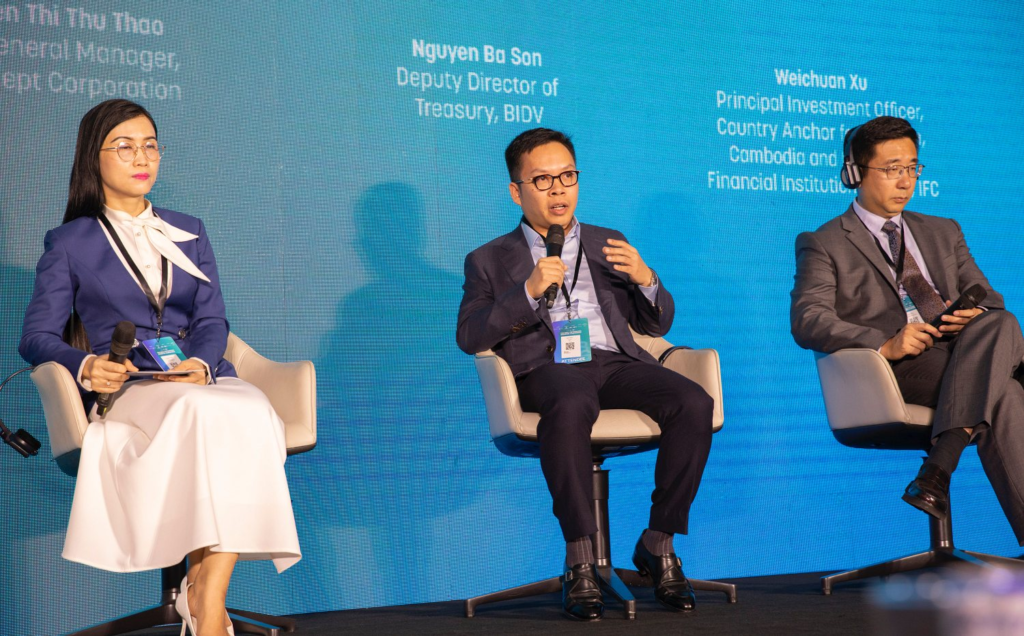
Madame Ha’s take was reiterated by Nguyen Ba Son, Deputy Director of Treasure for BIDV, in a separate panel discussion. As the first local bank to issue a sustainable loan framework, BIDV’s green financing initiative reached more than 1,300 customers and projects in 2023 alone, with a year-end outstanding loan totaling $2.68 billion, a clear indication of banks’ crucial role in bridging the gap in sustainable financing in Vietnam.
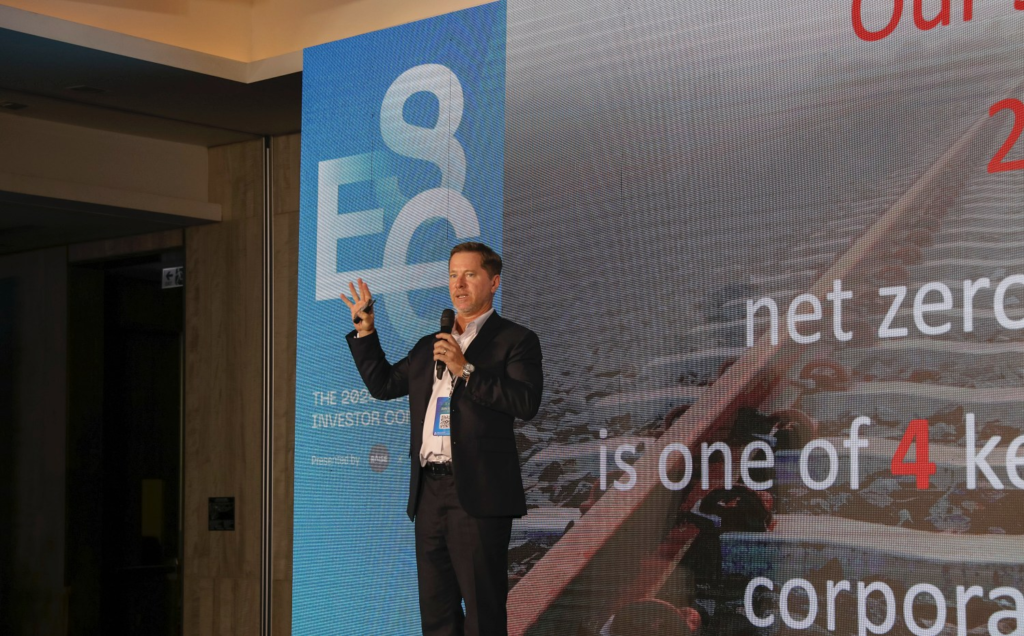
For HSBC Vietnam CEO Tim Evans, the energy transition roadmap and investment model should include private and public sectors, as reaching net zero can only be accomplished through collaborative efforts that leverage the strengths and resources of both sectors. Evans highlighted HSBC’s commitment to work alongside the Vietnamese government and corporations to support Vietnam to achieve the country’s commitment to net zero by 2050.
But the achievement of corporate and national sustainability goals all boils down to leadership and strategically translating values into operational practices, said Quyen Vuu, CEO of Biti’s, “Crafting a strong ESG strategy goes beyond setting goals; to achieve lasting success, it needs to be deeply rooted in the organization’s leadership values and implemented across all levels of the business.”
This holds for multinational corporations and small- and medium-sized enterprises, which currently comprise 98% of Vietnamese enterprises. Ensuring access to tools and resources for financing and futureproofing is paramount for their sustainable growth.
Beyond business considerations, however, lies another crucial component of advancing ESG principles: Investing in people and promoting gender equality in the midst of the energy transition. Private stakeholders and government institutions should continue to promote equal opportunities for all Vietnamese, cultivating a more inclusive society that empowers individuals to thrive and contribute to sustainable development.
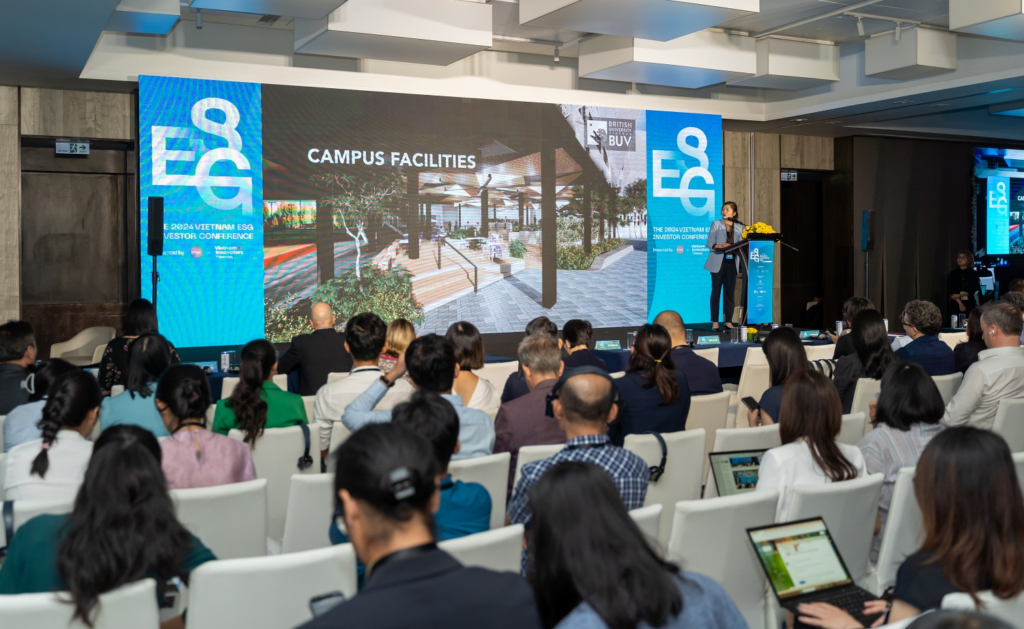
Educational institutions like the British University Vietnam (BUV) hold a big responsibility in fostering a sustainability mindset in the country’s future leaders and movers. BUV embeds green principles into its educational foundation, architecture, expansion plans, activities, and curriculum.
According to its Pro-Vice Chancellor (Operations)/COO Thuy Nguyen, every campus operation prioritizes environmental considerations, aiming to make BUV Vietnam’s first carbon-neutral university. More importantly, it aims to build socially and environmentally conscious generations that will propel Vietnam’s economic and sustainability goals.
Vietnam is a critical link in the global value chain. Considered a major manufacturing and agricultural hub, the country influences international trade. This also means Vietnam’s climate strategies and challenges impact external economic and geopolitical events.
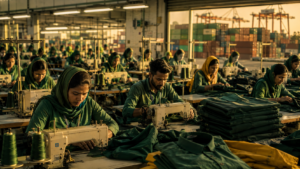
Furthermore, recognizing the integral role of women in the supply chain, particularly in the apparel and footwear sectors, efforts should be directed towards promoting gender equality in employment, leadership, and decision-making positions.

Anjanette Saguisag, Chief of Social Policy and Governance at UNICEF Vietnam, suggested initiatives to support women and their children’s well-being, including healthcare, education, and social welfare programs.
When integrated properly into business models and work cultures, these initiatives contribute significantly to harnessing women’s full potential, not just in the workplace, but also in society at large, aligning with Vietnam’s sustainability ambitions and ensuring a more equitable and resilient future for all.