Bangladesh will require between USD 933 million and USD 980 million annually until 2030 to meet the targets in the Renewable Energy Policy 2025 — rising to between USD 1.37 billion and USD 1.46 billion annually through 2040 — but policy uncertainty, off-taker risk, land acquisition challenges, currency volatility, and a downgraded sovereign credit rating are actively limiting private capital flows.
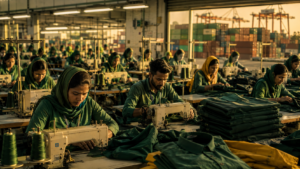
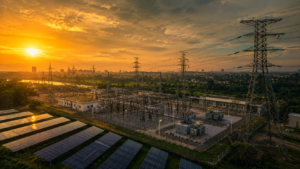
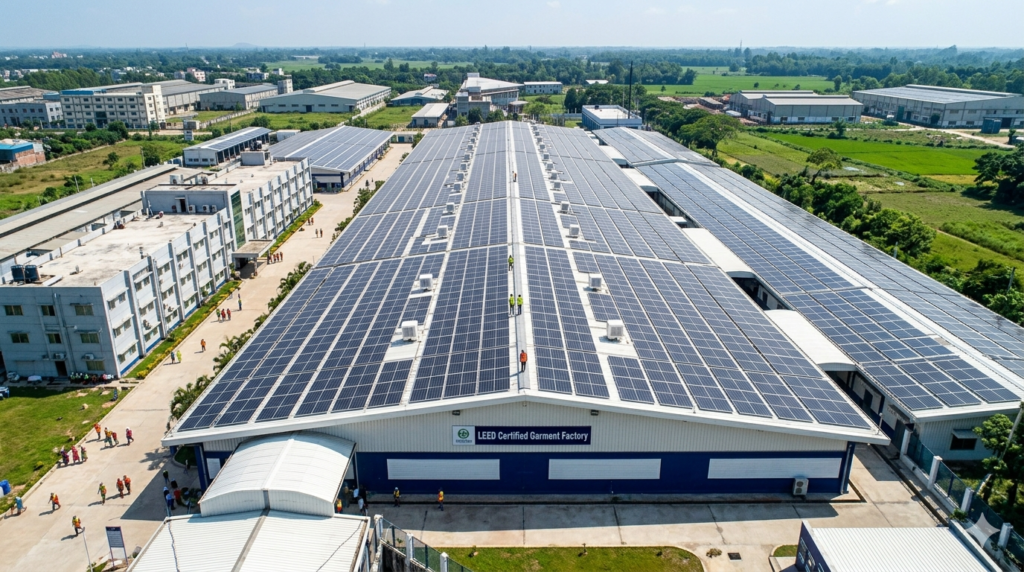
This isn’t a technical problem. Bangladesh has exceptional solar potential — up to 240,000 MW — and over 230 LEED-certified garment factories already proving green manufacturing at scale.
It’s a financing infrastructure problem. And that’s where IFRS S1 and S2 become directly relevant: banks and financial institutions that want to attract green capital must disclose how they’re managing climate-related financial risks — including the risks of not financing the transition.
Bangladesh Bank has signalled the direction. The June 2026 budget is the next test. Every bank compliance officer, sustainability manager, and finance director needs to understand what these numbers mean for their institution’s reporting obligations.
Source: IEEFA/ Renewable Energy Asia, March 2026