Skip to content
  • ESG Professional Training
    • Foundation Courses
      • Foundation of ESG &
        Corporate Sustainability
      • Marketing Your ESG, Sustainability, CSR & Green Claims
      • Intro to Sustainable Finance
      • CSR Projects 101
    • Intermediate Courses
      • Sustainability Strategy, Materiality & Stakeholder
      • Green Procurement Basics
      • Designing Net Zero Strategies
      • Circular Economy Fundamentals
    • Applied Courses
      • Professional Program on ESG & Sustainability Management
      • Certificate in ESG Implementation & Sustainability Transformation
      • Fundamentals of Sustainability & ESG and Global Trends
      • Measuring & Managing Scope 1,2,3 GHG Emissions
      • Effective Energy & Water Efficiency for Sustainability
      • ESG & Sustainability Reporting Strategies
      • Certificate Course on IFRS S1 & S2 Reporting
    • Professional Certifications
      • Certified ESG Specialist
        (CESGS)
      • Certified Sustainability Expert
        Analyst (CSEA)
      • Certified Sustainability
        Reporting Analyst (CSRA)
    • ESG Bootcamp
  • Diploma in ESG Reporting
  • FSA Credential® by IFRS
  • E-Books
    • A Guide to Sustainability Storytelling
    • The AI Playbook for ESG & Sustainability Professionals
    • Fundamentals of ESG & Sustainability
  • ESG Solutions and Advisory
    • ESG and Sustainability Reporting
  • About Us
  • ESG Insights
  • ESG Professional Training
    • Foundation Courses
      • Foundation of ESG &
        Corporate Sustainability
      • Marketing Your ESG, Sustainability, CSR & Green Claims
      • Intro to Sustainable Finance
      • CSR Projects 101
    • Intermediate Courses
      • Sustainability Strategy, Materiality & Stakeholder
      • Green Procurement Basics
      • Designing Net Zero Strategies
      • Circular Economy Fundamentals
    • Applied Courses
      • Professional Program on ESG & Sustainability Management
      • Certificate in ESG Implementation & Sustainability Transformation
      • Fundamentals of Sustainability & ESG and Global Trends
      • Measuring & Managing Scope 1,2,3 GHG Emissions
      • Effective Energy & Water Efficiency for Sustainability
      • ESG & Sustainability Reporting Strategies
      • Certificate Course on IFRS S1 & S2 Reporting
    • Professional Certifications
      • Certified ESG Specialist
        (CESGS)
      • Certified Sustainability Expert
        Analyst (CSEA)
      • Certified Sustainability
        Reporting Analyst (CSRA)
    • ESG Bootcamp
  • Diploma in ESG Reporting
  • FSA Credential® by IFRS
  • E-Books
    • A Guide to Sustainability Storytelling
    • The AI Playbook for ESG & Sustainability Professionals
    • Fundamentals of ESG & Sustainability
  • ESG Solutions and Advisory
    • ESG and Sustainability Reporting
  • About Us
  • ESG Insights

Author: The ESG Institute

This article has been written and proofread by global and local multisectoral experts from the ESG Institute team.

Bangladesh Passed Its Most Important Labour Law in Decades. Three Trade Battles Were Waiting for Exactly This
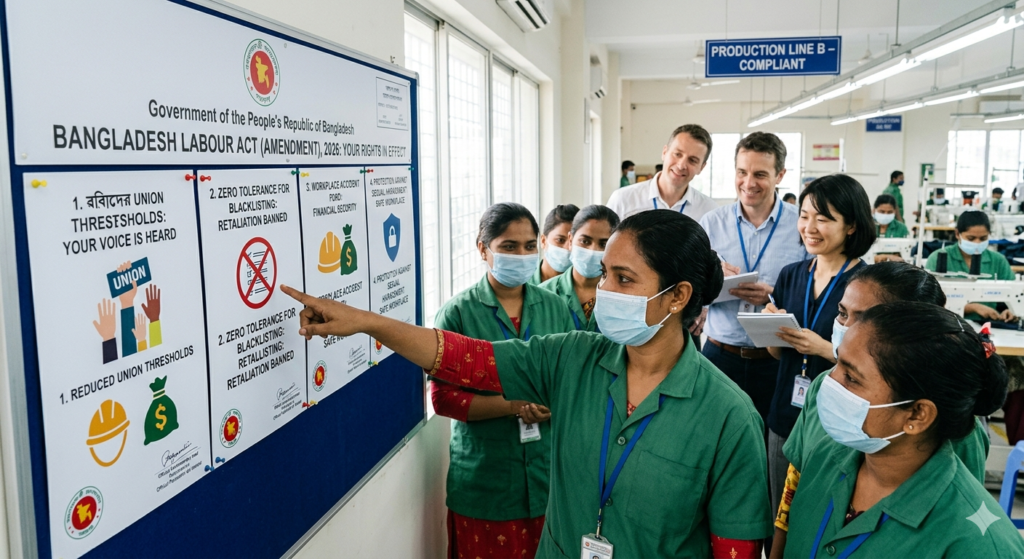
Parliament unanimously passed the Bangladesh Labour (Amendment) Bill, 2026 on April 9. The 20% union threshold is gone. Blacklisting is now illegal. Sexual harassment is defined in law for the first time. And this single law directly answers the US forced labour investigation, the EU GSP+ compliance requirement, and global buyer due diligence demands, simultaneously

Bangladesh Gave Environment Less Than 0.3% of Its Budget — While Ranking 13th in Global Climate Risk
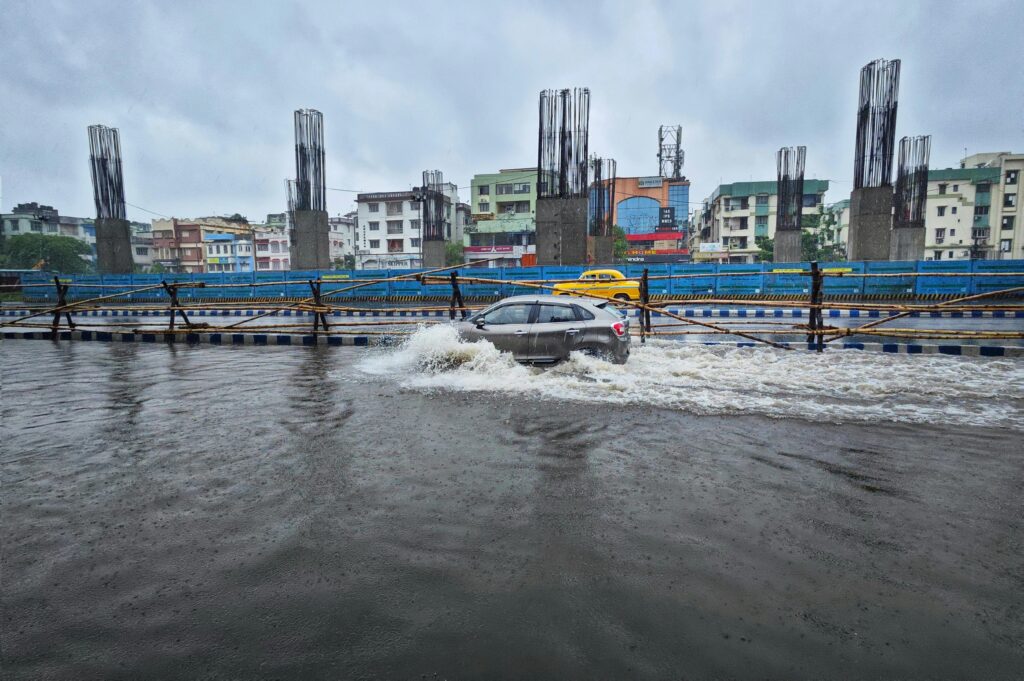
The Ministry of Environment received just 0.27% of Bangladesh’s national budget in FY2025-26. Policy analysts say it needs roughly 1%. This gap between climate rhetoric and climate spending is the governance failure Bangladesh cannot afford.

The EU’s Carbon Wall Is Being Built in Real Time — and Bangladesh’s Garment Sector Is Staring Right at It
From 0% to 16.8%: that is the tariff cliff Bangladesh’s apparel sector faces by 2030 if it doesn’t decarbonise now. The EU’s carbon border mechanism entered its enforcement phase on January 1, 2026. The clock is not ticking. It has already ticked.

Bangladesh Needs 760 MW of New Renewable Energy Every Year. Right Now, It’s Building a Fraction of That.
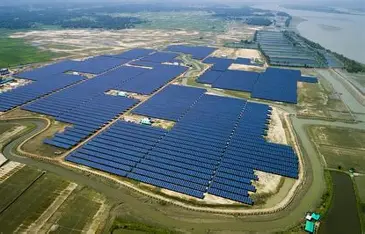
💡 Bangladesh’s 2030 renewable energy target requires deploying 760 MW annually. Current trajectory is far behind. The renewable gap isn’t a technology problem — it’s a policy and financing problem. And time is running out.

Bangladesh Pays BDT 390 Million a Month in LNG Subsidies. Solar Could Have Ended This Years Ago.
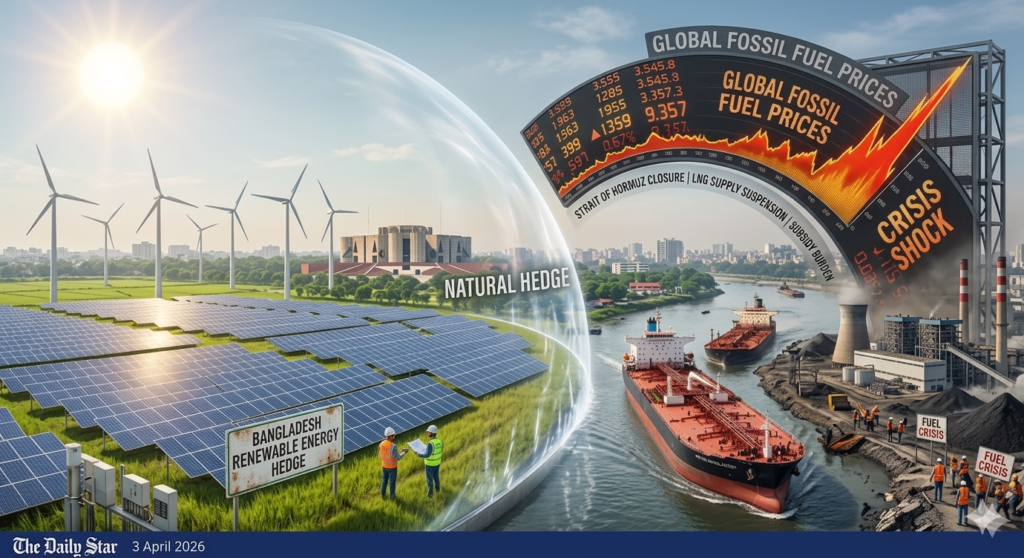
Bangladesh’s LNG imports now require a subsidy of Tk 67.5 per cubic metre. A $2 billion emergency loan covers barely three months of fossil fuel costs. Meanwhile, Pakistan scaled to 34,000 MW of solar in three years. What is Bangladesh waiting for?

Bangladesh Ranks 114th on SDGs and the Numbers Are Getting Worse, Not Better
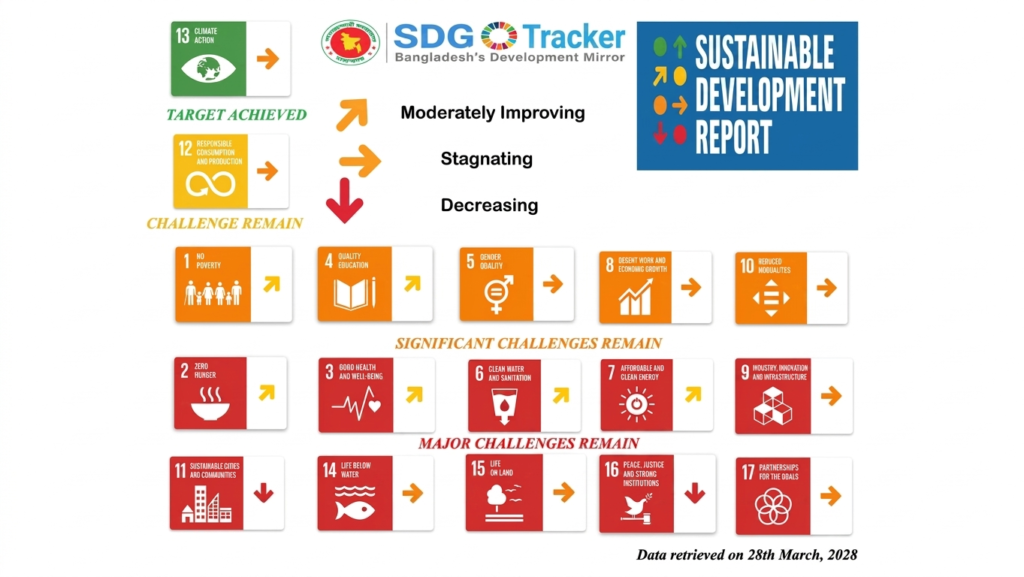
💡 Only 20.8% of Bangladesh’s SDG targets are on track. Climate action, sustainable cities, and responsible production are all going backwards. If this were a company, investors would have already walked.

Bangladesh Is About to Lose $17.5 Billion in Exports and ESG Compliance Is the Lifeline
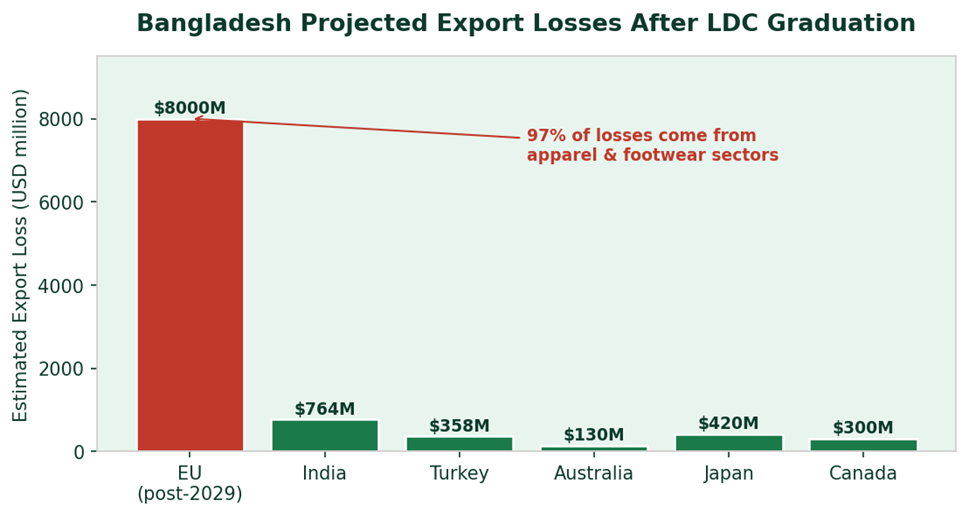
💡 UNCTAD says LDC graduation could wipe out 32% of Bangladesh’s exports. Qualifying for the EU’s replacement scheme requires meeting 32 international ESG conventions. This isn’t a trade story. It’s an ESG story.

The US Is Investigating Bangladesh’s Trade Practices. The Answer Isn’t Just Diplomacy, It’s Verifiable ESG Data.
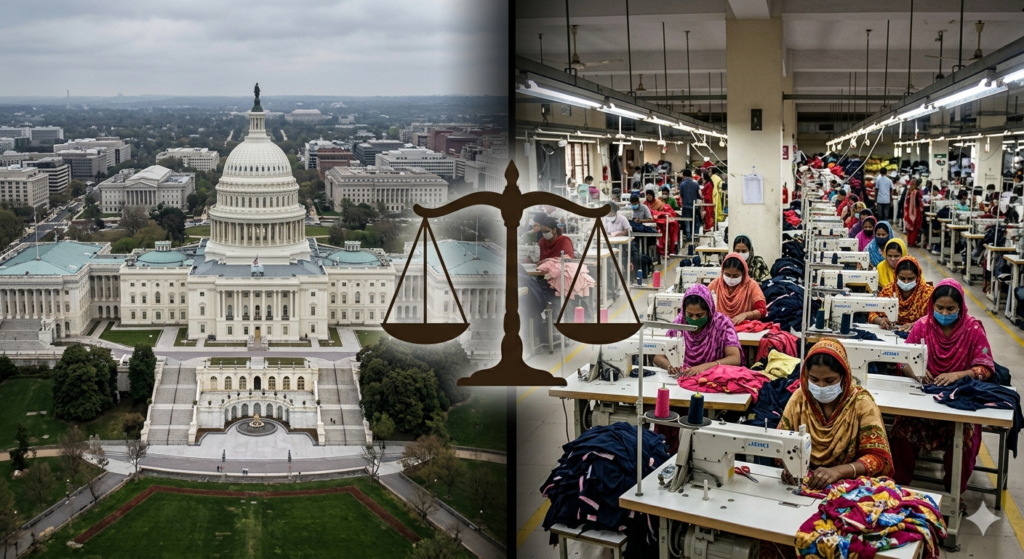
Washington is holding public hearings on May 5. Bangladesh has until mid-April to submit its written defence. The investigation is about export subsidies and overcapacity, but the real question being asked is: can we trust Bangladesh as a sourcing partner? ESG data is part of the answer.

Bangladesh Has 7,000 RMG Factories That Could Go Solar, Only 11 Know How to Report It.
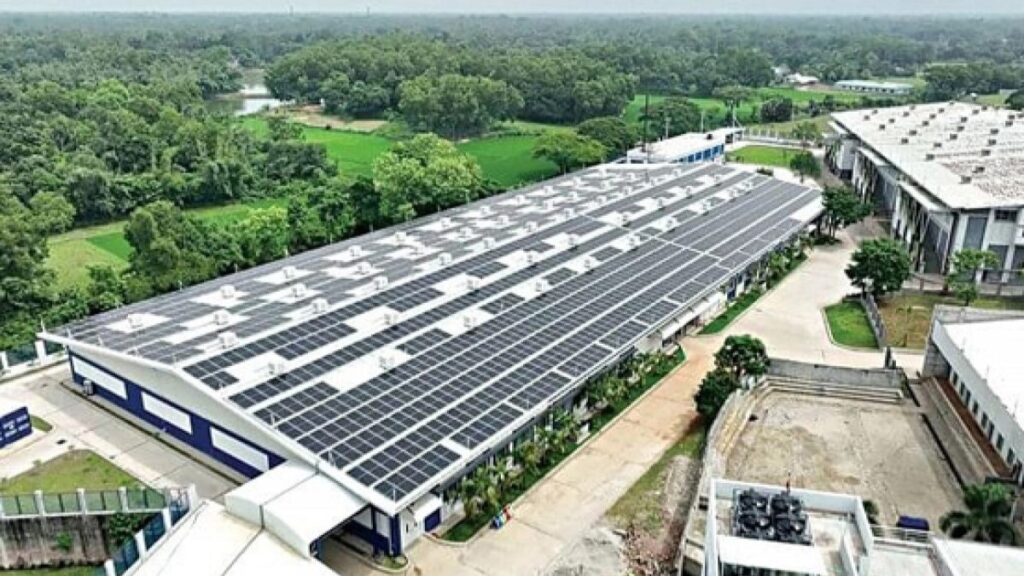
Solar is no longer a future investment in Bangladesh — it is a present-day cost advantage. The gap is not in technology. It is in knowledge: most companies don’t know how to measure it, report it, or make buyers believe it.

Solar Is Now Cheaper Than Fossil Fuels in Bangladesh, but the $5B Import Burden Continues Anyway.
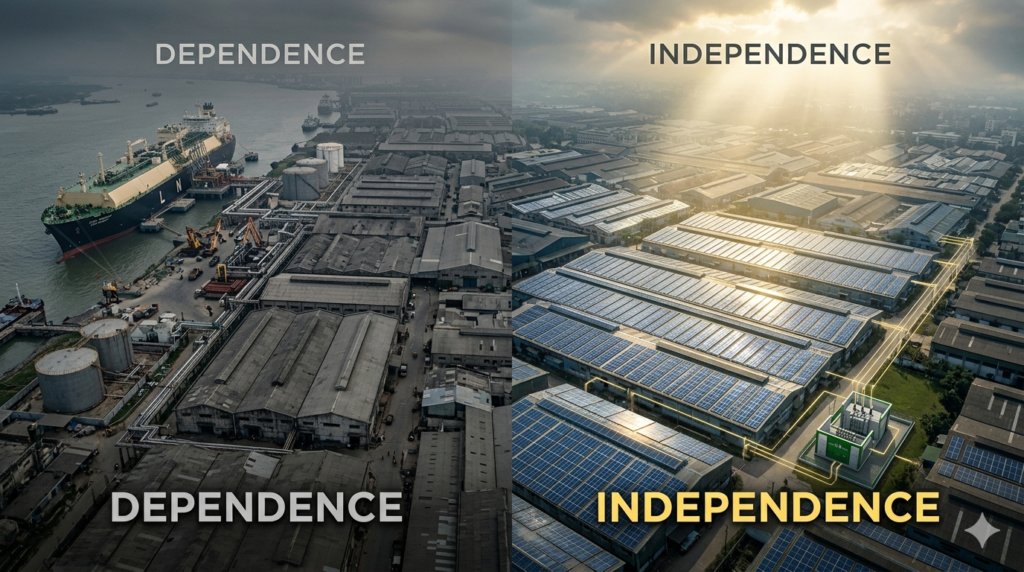
Every taka Bangladesh spends on imported fossil fuel is a taka it cannot spend on building climate resilience. A new global report says the math now conclusively favours solar, but transformation requires more than panels.

← Previous
Next →

We educate, empower, engage & mobilize businesses, entities & communities to create a better and more sustainable future.

Navigate

  • Home
  • ESG Professional Training
  • ESG University Workshops
  • ESG Certifications
  • ESG Bootcamps
  • About ESG Institute
  • Privacy Policy
  • Return & Refund Policy
  • Terms & Conditions

Resources

  • ESG Foundation Level Courses
  • ESG Intermediate Level Courses
  • Certified Sustainability Reporting Analyst (CSRA)
  • Certified ESG Specialist (CESGS)
  • Certified Sustainability Expert Analyst (CSEA)

Contact us

  • +8801790327065
  • contact@esginstitutebd.com
  • 6th Floor, BIMS Bhaban, GA-9/3, Progoti Sharani, Dhaka-1212
Facebook Youtube Linkedin-in

Secured Payment with SSL

Copyright © ESG Hub Bangladesh Ltd., Trade License No.: 026534. All rights reserved.

International payments processed by ESG Hub Global LLC