
Bangladesh Exported $3.14 Billion in Garments Last Month. Now Read What That Number Is Hiding.
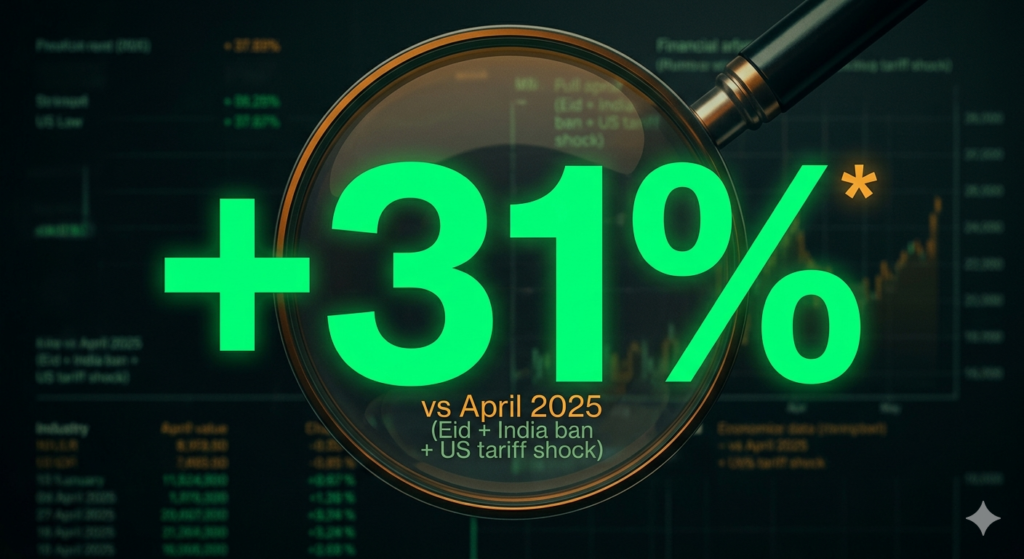
Bangladesh RMG exports: $3.14 billion in April 2026 — up 31.21% year-on-year. Knitwear: +30.02%. Woven: +32.65%. Technically accurate. Also deeply misleading. April 2025 was one of the worst export months in recent history: Eid shutdown, India’s transshipment ban, and US tariff shock all hit simultaneously. The 31% is measured against a collapsed floor. This is a live example of exactly what ISSB disclosure standards exist to prevent: data without context.
Bangladesh’s Finance Minister Just Built the Legal Architecture for an Entire Sustainable Bond Market
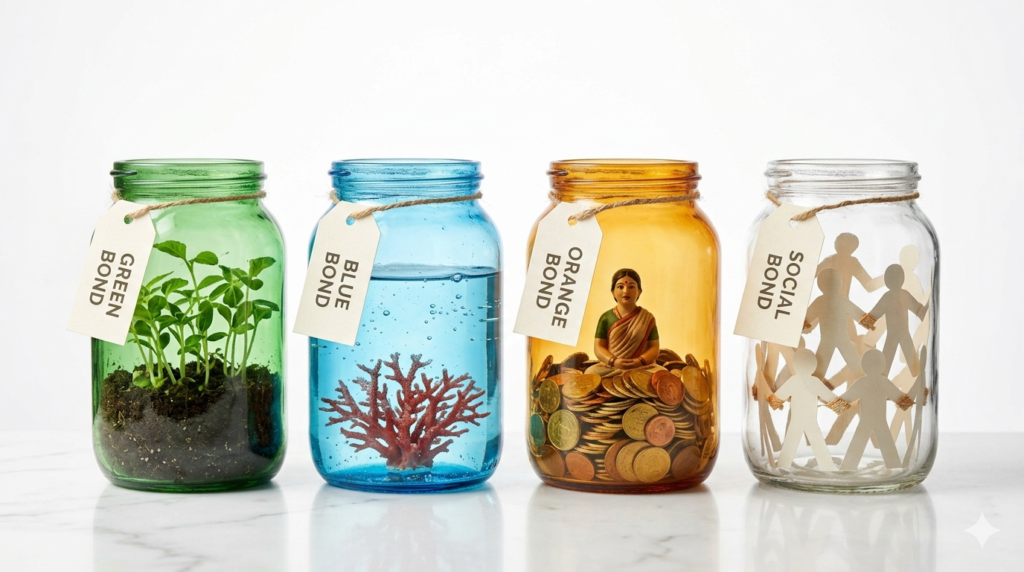
Bangladesh’s Finance Minister confirmed that amendments to debt securities rules will legally recognise green, blue, orange, and social bonds. A whistleblower protection act, a Capital Market Stabilisation Fund, and a new corporate governance code are in the same package. This is not one bond, it is the entire legal ecosystem for a sustainable capital market. It is years overdue and it is finally being built.
BSEC Is Rewriting the Rules. ESG Is No Longer Optional for Bangladesh’s Capital Market
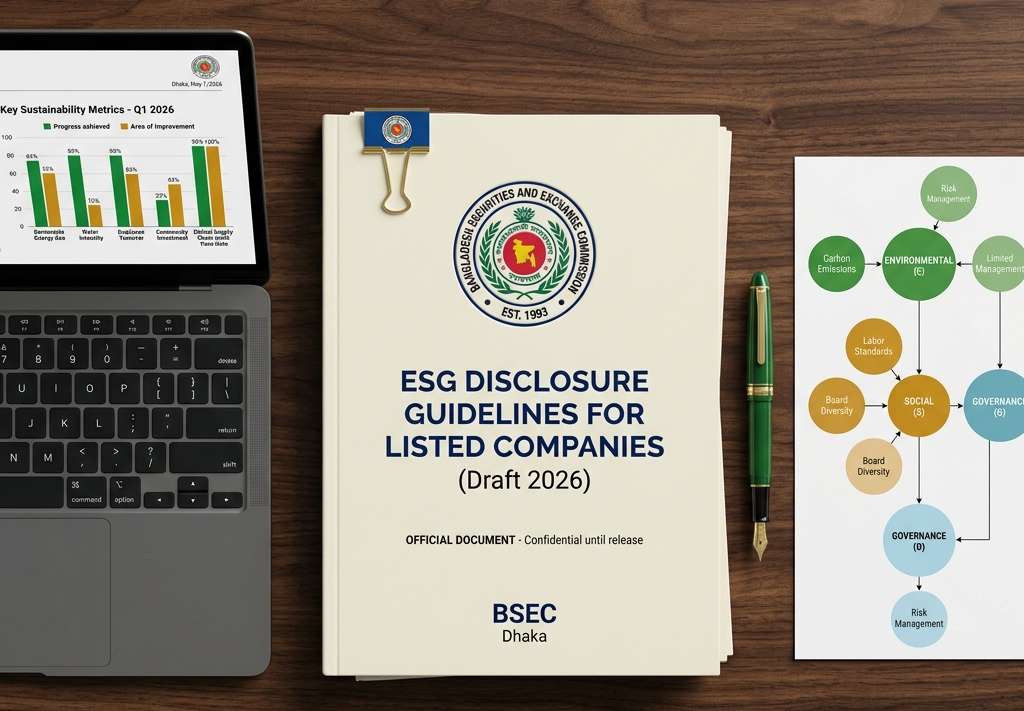
Bangladesh’s Securities and Exchange Commission is revising its Corporate Governance Code to make ESG reporting a legal requirement for all listed companies. The Financial Reporting Council is adopting ISSB climate and general disclosure standards. The PM’s special assistant visited BSEC on April 16 specifically to review these reforms. When this law lands, 350 companies need trained ESG professionals. Today, 334 of them have never filed a standardised sustainability report.
Bangladesh’s Garment Sector Got Hit Three Ways in April. Solar Was the Only Shield
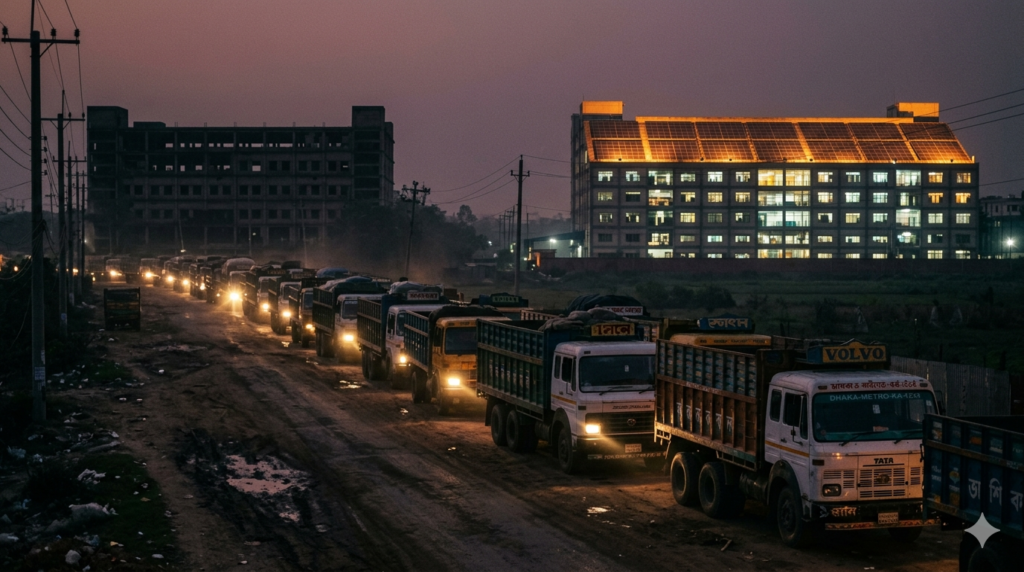
8–10% buyer order cuts. Diesel rationed through BGMEA cards since April 13. Dhaka–Chattagram freight up 32% — from Tk 38,000 to Tk 50,000 — since the Middle East war escalated. Three separate shocks, one sector, one month. The factories with rooftop solar kept producing. The ones on diesel generators did not. This is what the ESG business case looks like when it stops being theoretical.
Global Brands Want Zero Emissions. Bangladesh’s Factories Are Getting Zero Help Paying for It.
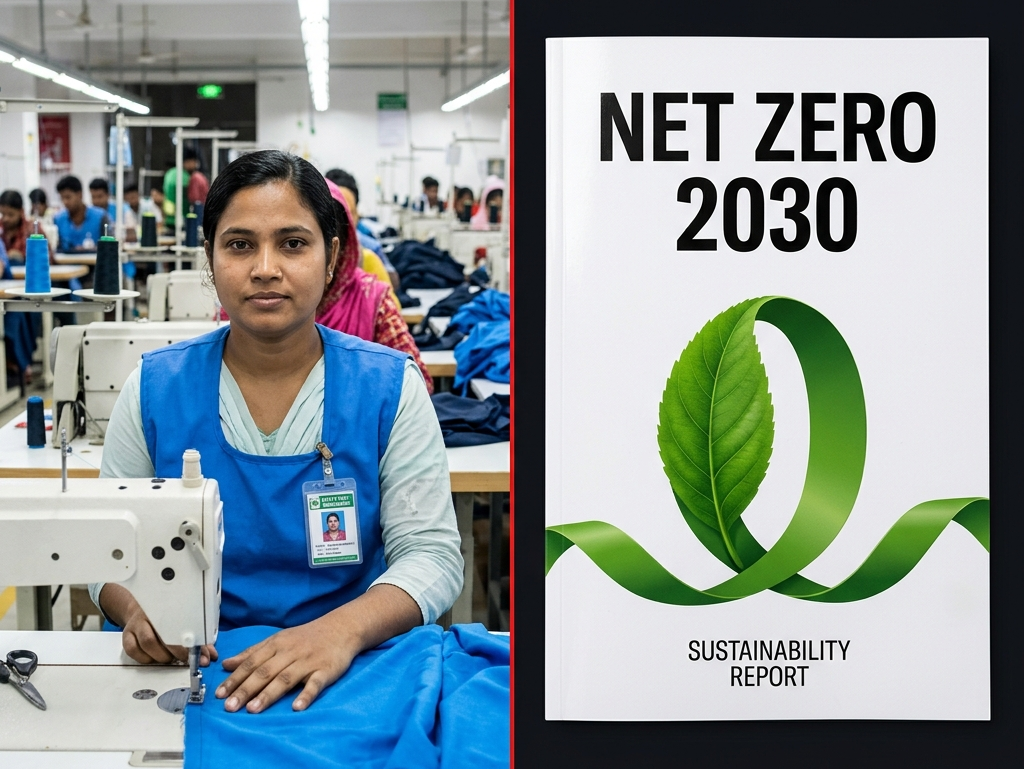
There is a sentence buried in most global fashion brand sustainability reports that Bangladesh’s garment factory owners should read very carefully: ‘We are committed to achieving net-zero emissions across our supply chain by 2030.’ Thousands of factory owners have been thinking that the green transition in global fashion is being financed on the backs of […]
Bangladesh Taxes Solar Panels at 58.6% While a 16.9% EU Trade Penalty Builds on the Horizon. The Maths Do Not Work.
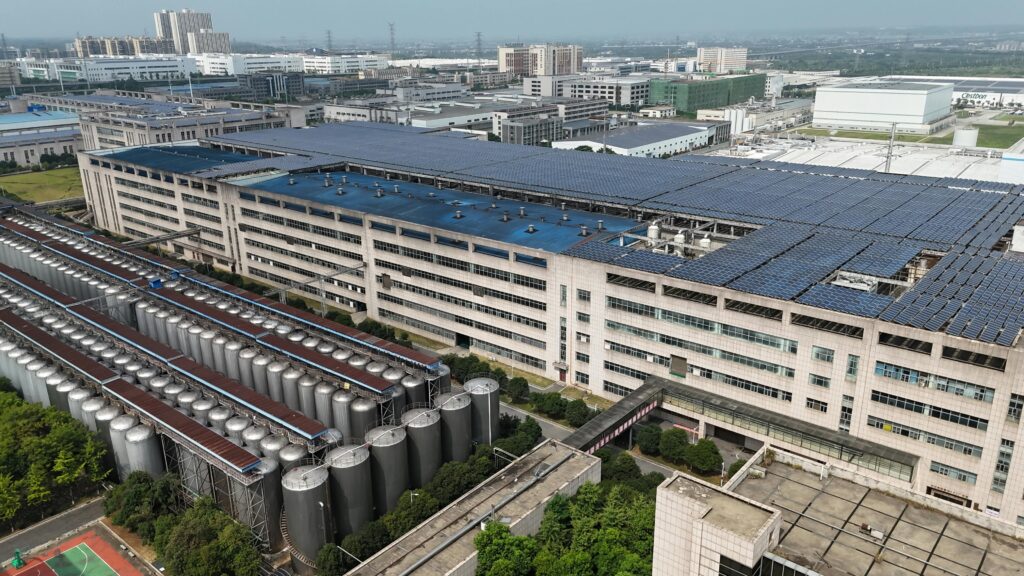
Import duty on solar panels in Bangladesh: 58.6%. Import duty on lithium-ion batteries: 58.6%. Import duty on lead-acid batteries: 89.32%. Meanwhile, the EU’s CBAM carbon tax on apparel is coming in 2030 and SANEM estimates it could wipe out 30% of Bangladesh’s EU garment exports. Bangladesh is taxing the solution to the crisis that will cost it $14 billion a year.
Bangladesh’s Banks Are on the Global ISSB Watch List. The Green Capital the Country Needs Depends on What They Do Next
Bangladesh Bank mandated ISSB-aligned sustainability disclosures for banks in December 2023. The 2026 phase requires ‘more detailed disclosures.’ Bangladesh is formally profiled by the IFRS Foundation alongside Australia and Brazil. International investors are comparing Bangladesh’s banks to peers in those countries. Bangladesh needs $980M per year for its 2030 renewable target. Almost none of it arrives without credible disclosures.
“My Body Is Burning.” Inside Bangladesh’s Garment Factories, Heat Is the ESG Crisis Nobody Is Reporting Until Now.
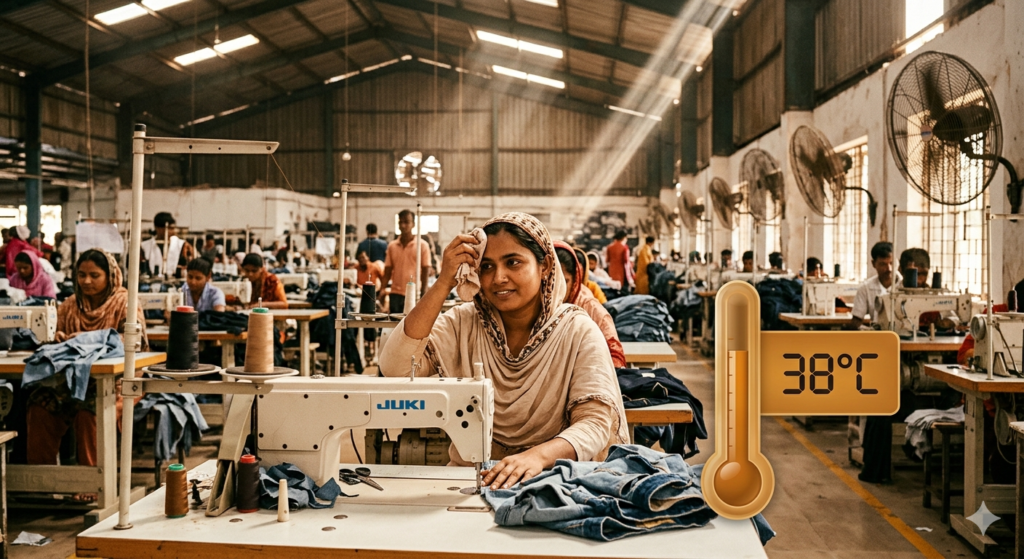
Parliament unanimously passed the Bangladesh Labour (Amendment) Bill, 2026 on April 9. The 20% union threshold is gone. Blacklisting is now illegal. Sexual harassment is defined in law for the first time. And this single law directly answers the US forced labour investigation, the EU GSP+ compliance requirement, and global buyer due diligence demands, simultaneously.
The World Just Changed How Companies Report Sustainability. Bangladesh is on the List and 2026 is the Year That Matters.
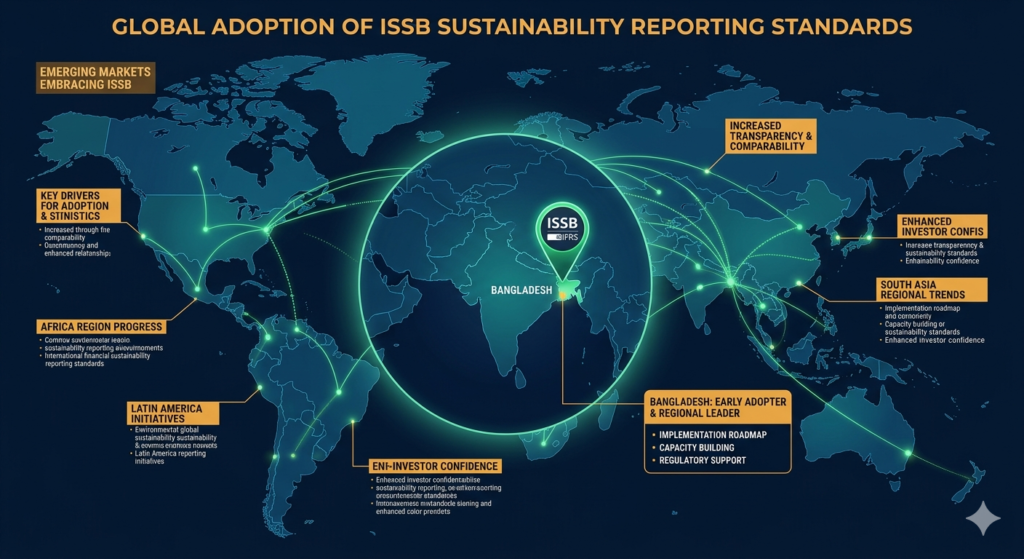
36 jurisdictions are now adopting ISSB sustainability disclosure standards. Bangladesh is one of only 17 formally profiled by the IFRS Foundation alongside Australia, Brazil, and Malaysia. Bangladesh Bank’s mandate puts 2026 as the year for ‘more detailed disclosures.’ This is not a future deadline. It is the current financial year.
Bangladesh Announced 10,000 MW of Solar on Public Land. Now It Has to Actually Build It.
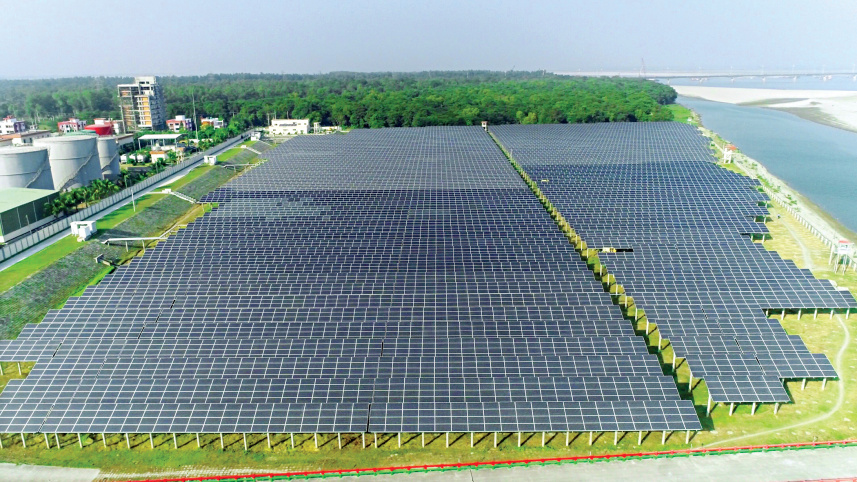
Cabinet Secretary Nasimul Ghani announced that Bangladesh will build 10,000 MW of solar on state-owned land by 2030. Currently installed: 1,690 MW. Every renewable target since 2008 has been missed. This time has to be different. Here is what it would take