COP 29 in Baku marked a significant milestone in global climate action, with participation from the ESG Institute Bangladesh. This conference addressed pressing climate challenges, setting the direction for future policies and enhancing cooperation among nations. Our institute’s takeaways highlight the importance of international carbon markets, climate finance, transparency, support for vulnerable communities, and the transition from fossil fuels.
🌍 International Carbon Market Standards: A consensus was reached on standards for Article 6.4, facilitating international carbon crediting projects and directing resources to developing countries. This decision enables countries to trade carbon credits more effectively, promoting global cooperation in reducing emissions and directing funds to developing nations for climate projects.
💰 Climate Finance Goals: Discussions on the New Collective Quantified Goal (NCQG) for climate finance advanced, aiming to mobilize significant financial resources for climate action in developing nations. This decision aims to mobilize substantial financial resources to support climate action in developing countries, helping them transition to sustainable practices.
🔍 Enhanced Transparency: Measures were agreed upon to improve transparency in reporting and tracking climate actions and commitments by countries. This decision ensures that countries are held accountable for their commitments, fostering trust and collaboration in global climate efforts.
🤝 Support for Vulnerable Communities: Emphasis was placed on providing support to vulnerable communities to help them adapt to climate impacts and build resilience. This decision highlights the importance of aiding vulnerable communities, enhancing their resilience and reducing the risk of climate-related disasters.
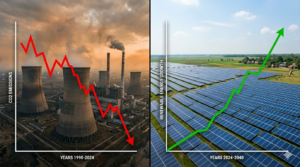
🔋 Fossil Fuel Transition: Strategies were discussed to accelerate the transition from fossil fuels to clean and sustainable energy sources, considering social and economic justice. This decision significantly reduces greenhouse gas emissions, contributing to the global effort to limit temperature rise and mitigate climate change.
What This Means for Bangladesh
For Bangladesh, these decisions are particularly significant. We are highly vulnerable to climate impacts, experiencing severe heatwaves, floods, and cyclones. The enhanced transparency and support for vulnerable communities will help Bangladesh better prepare for and respond to climate-related disasters. The focus on climate finance and fossil fuel transition will provide much-needed resources and technology to support Bangladesh’s transition to a greener economy, enhancing its resilience and sustainability. Additionally, the emphasis on international carbon markets and climate finance will enable Bangladesh to access funds and technology transfers, aiding in its climate adaptation and mitigation efforts. It is to be seen what the decisions in COP 29 bring for us in the coming year.
Previous COPs and Their Impact on Bangladesh
- COP 25 (2019): The conference focused on finalizing the “rulebook” for the Paris Agreement, which included guidelines for carbon markets and climate finance. Bangladesh, as a member of the Climate Vulnerable Forum, played a key role in advocating for stronger climate action and financial support.
- COP 26 (2021): The conference resulted in several key outcomes, including commitments to limit global temperature rise to 1.5°C, increase climate finance, and enhance adaptation efforts. Bangladesh’s Prime Minister Sheikh Hasina highlighted the country’s efforts in climate adaptation and resilience-building, including the Bangladesh Climate Change Trust Fund and the Bangladesh Delta Plan 2100.
The decisions made at COPs always signify a major step forward in global climate governance. For Bangladesh, these measures provide hope and tangible support in the fight against climate change. The country’s proactive participation and the outcomes of previous COPs have already laid a strong foundation, but as governing bodies around the world change, so does new policies and outlooks, and climate vulnerable countries such as ours are set to be in forefront of discussion for initiatives to fight climate change.