
Bangladesh inks energy deal with the US but ‘green’ needs more than a handshake
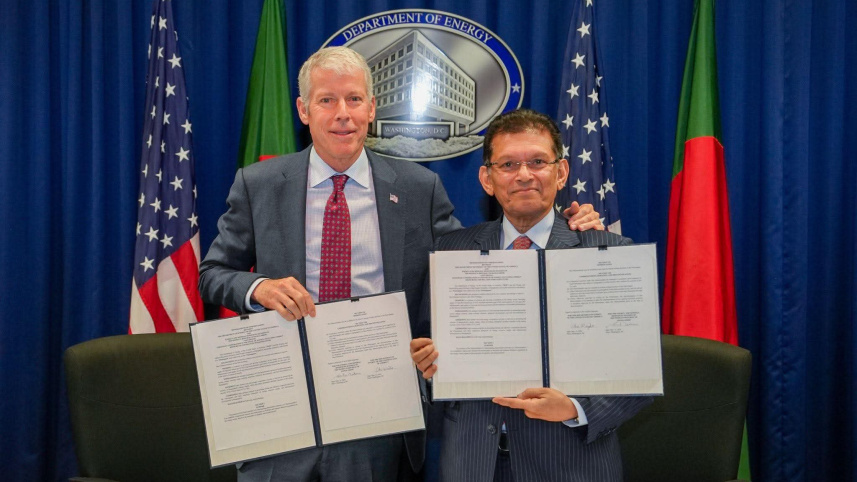
LNG cooperation signals growing US-Bangladesh ties. The real test is whether this partnership helps Bangladesh meet its renewable energy ambitions or locks it deeper into fossil fuels.
Bangladesh Bank Offers Cheap Loans to Non-RMG Exporters. Buyers Are Waiting with ESG Checklists.

Bangladesh Bank’s Tk 3,000 crore Export Diversification Refinance Scheme opens doors for leather, jute, pharmaceuticals, and ICT exporters at 7% interest. The case for diversification is overwhelming — RMG accounts for 80%+ of exports and that concentration is a systemic risk.
Bangladesh Bank Put Tk 1,000 Crore Behind Green Industry. That Changes the Signal.

Every previous Bangladesh green finance scheme channelled donor or foreign credit line money. This one is different. Bangladesh Bank’s new Tk 1,000 crore Green Industry Refinance Fund is capitalised from the central bank’s own resources. It covers 70 categories of green products and projects. It is a revolving fund — capital replenishes as loans are repaid. When the central bank puts its own balance sheet behind green industry, every commercial bank in the country receives a message about where priorities lie.
Bangladesh Targets $1B a Year from Carbon Markets. Thailand Shows What It Really Takes.
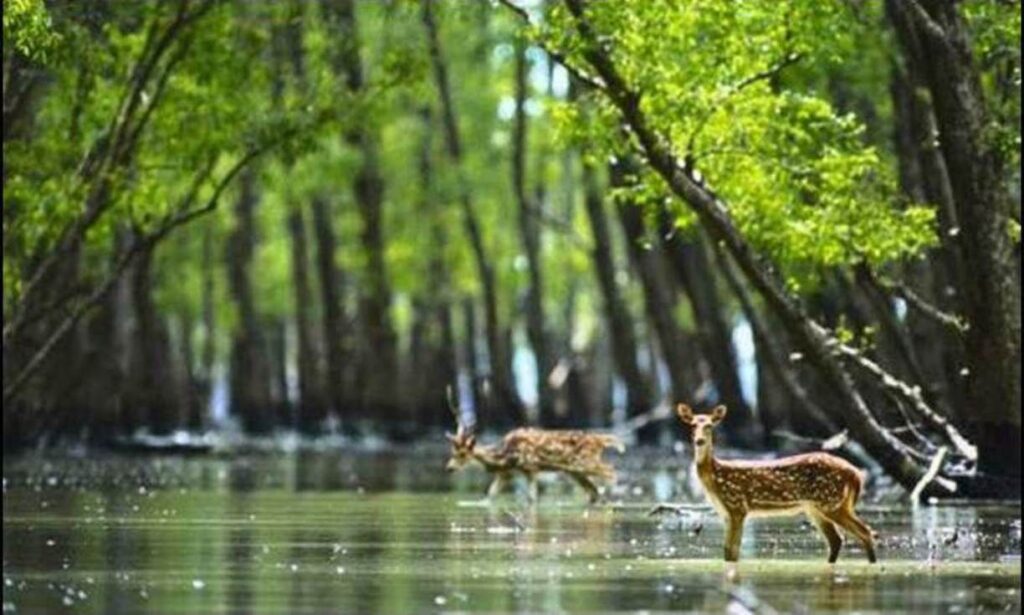
FY27 budget: 11 new Article 6 carbon projects. Half the coastal mangrove belt under carbon trading. $1 billion annually in projected carbon revenue. These are real ambitions — Bangladesh genuinely has the carbon assets. The problem is that in April 2026, Thailand sold 49,717 verified carbon credits to Switzerland. Bangladesh has not sold one internationally verified unit. The difference is entirely institutional: Thailand built the MRV system first. Bangladesh announced the revenue target.
Three Years of Advocacy. One Budget Line. ActionAid Called It a Milestone. Who Gets the Benefits?

ActionAid Bangladesh and JETnet-BD called FY27’s solar tax reform ‘a milestone for just energy transition.’ They are right. Bangladesh’s civil society, industry associations, climate researchers, and global buyers demanded this reform for three years. The duty is gone. But a milestone is a point on a journey, not the destination. The harder question — whether the solar transition benefits reach the 300-worker SME in Savar, not just the 10,000-worker factory in Gazipur — is where the real work begins.
Tk 51,746 Crore for Climate. Up 26%. Is Bangladesh Building or Just Defending?
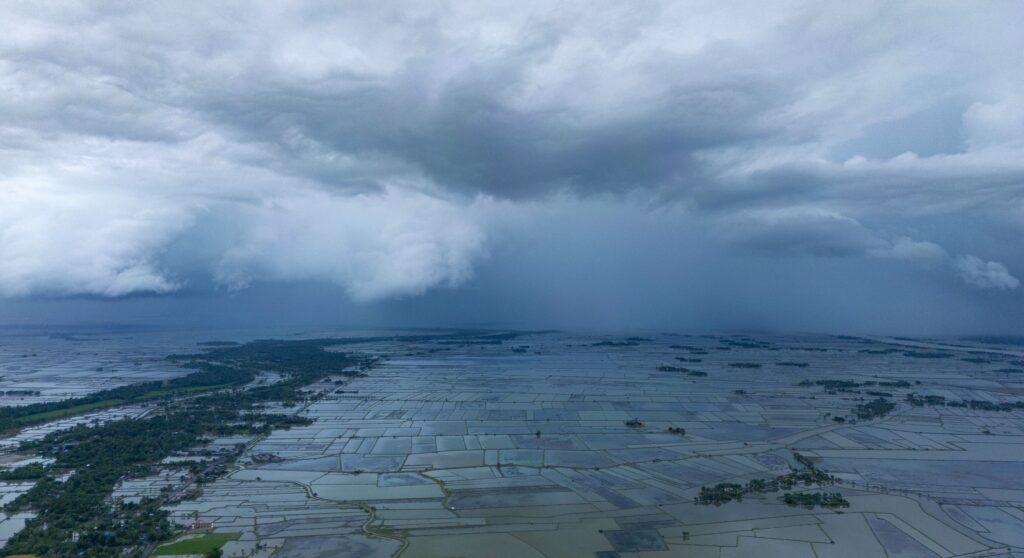
Bangladesh’s FY27 climate budget: Tk 51,746 crore. Up 25.57% from FY26. But 75.2% — Tk 38,906 crore — goes to flood control, embankments, and coastal protection. The Climate Change Trust Fund received Tk 100 crore. That is 0.2% of the climate budget. A growing budget that is structurally weighted toward defending what exists rather than building what is needed is not a climate strategy. It is organised retreat.
Bangladesh Just Made Solar Cheaper Than Ever. But a 23% Budget Cut Could Slow the Green Transition.

Bangladesh removed the 58.6% import duty on solar equipment and made solar power tax-free until 2035 — the strongest fiscal push for renewable energy in the country’s history. But in the same budget, government spending on energy infrastructure fell by 23%. Solar is now cheaper to buy. The bigger question is whether Bangladesh is still investing enough to power the transition at scale.
China Generates Geothermal Power in Jiangsu for the First Time: Bangladesh Should Pay Attention
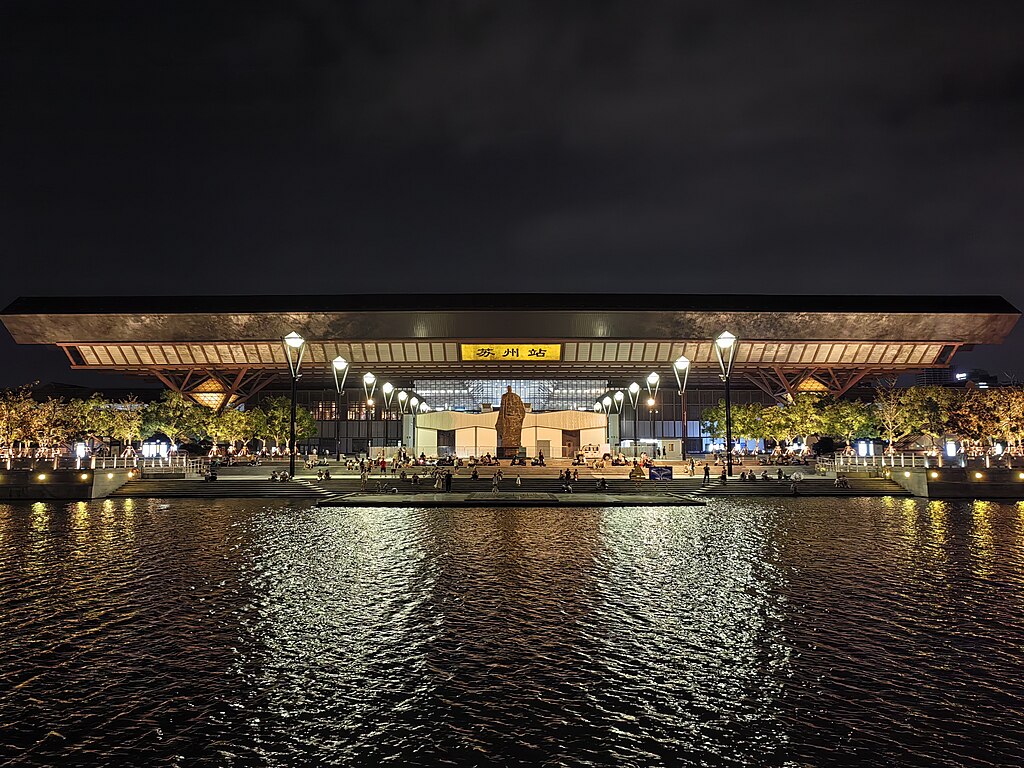
In Rudong County, Jiangsu Province, China drilled a well to 3,501 metres, struck a 108°C geothermal resource, and produced 200 kilowatts of electricity, the first geothermal power ever generated in Jiangsu. Small pilot. Enormous signal. Bangladesh sits on the same eastern coastal geological belt. Sitakund has documented hot springs. And Bangladesh is spending Tk 390 million a month on LNG subsidies while a baseload clean energy resource may be sitting under its own soil. Nobody is looking.
Bangladesh Signed a Trade Deal with Japan. Labour Rights and Environmental Accountability Are in the Text
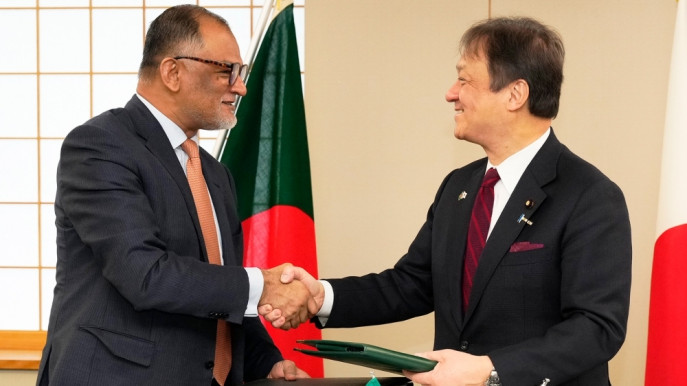
On February 6, Bangladesh signed its first-ever Economic Partnership Agreement with Japan. The headline: duty-free access to 97% of Bangladesh’s export basket, including RMG. What the headlines missed: the EPA contains specific provisions on labour rights, fair wages, safe work environments, social security, pollution control, natural resource conservation, and sustainable development. This is not just a trade deal. It is ESG compliance embedded in bilateral law.
15% of the Sundarbans Can’t Recover from Climate Stress, but Bangladesh Ignores the Emergency
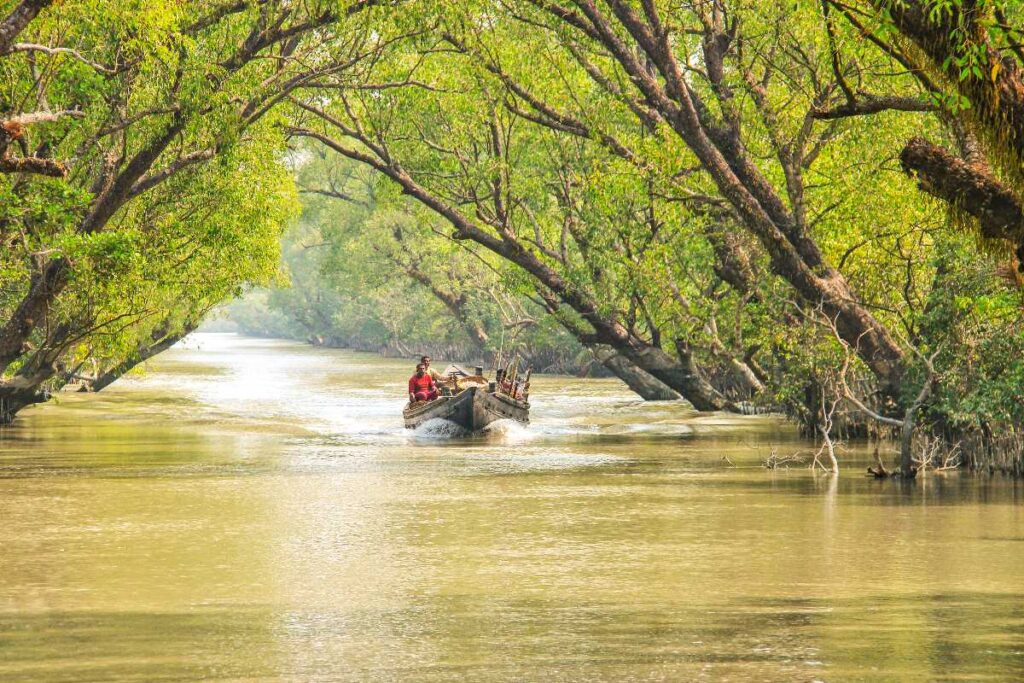
A peer-reviewed study published in Communications Earth & Environment analysed 25 years of satellite data and found that 10–15% of the Sundarbans 610 to 990 square kilometres has lost its ability to recover from environmental stress. Cyclones, saline intrusion, and human pressure are driving what scientists call ‘critical slowing down.’ The forest that protects 6 million people, sequesters millions of tonnes of carbon, and sustains Bangladesh’s coastal economy is weakening and the governance response has not matched the scientific urgency